
Table Of Contents
Introduction
In today’s competitive higher education environment, attracting the right students is no longer possible with traditional methods alone. Institutions need a smart, data-driven approach to connect with students across multiple channels.
With changing student preferences, strong digital influence, and increasing global competition, choosing the right recruitment channels has become more important than ever. From online platforms and personalized communication to partnerships and student engagement, using the right mix of strategies can help institutions improve visibility, connect better with students, and increase enrollment rates.
Key Student Recruitment Channels in 2026
Effective student recruitment in 2026 requires a strategic mix of digital innovation, personalized engagement, and strong institutional partnerships. As student behavior continues to shift toward online-first interactions, institutions must adopt a multi-channel approach to attract and convert prospective students.
Digital Platforms & Social Media
Digital platforms are among the most effective recruitment tools today, especially for engaging Gen Z through interactive and visually appealing content. Around 35% of higher education institutions leverage Facebook Ads to target recent high school graduates, achieving an average application conversion rate of 18%.
Instagram & TikTok
These platforms drive high engagement through short-form videos such as “day in the life” content, student takeovers, reels, and live Q&A sessions. They help institutions showcase campus culture authentically.
YouTube
A key platform for long-form video content, including campus tours, faculty introductions, and student testimonials. It plays a crucial role in building trust and providing detailed insights into academic life.
Particularly effective for postgraduate, executive, and professional programs. It helps target working professionals and promotes career-focused courses.
Online Marketing & Search Channels
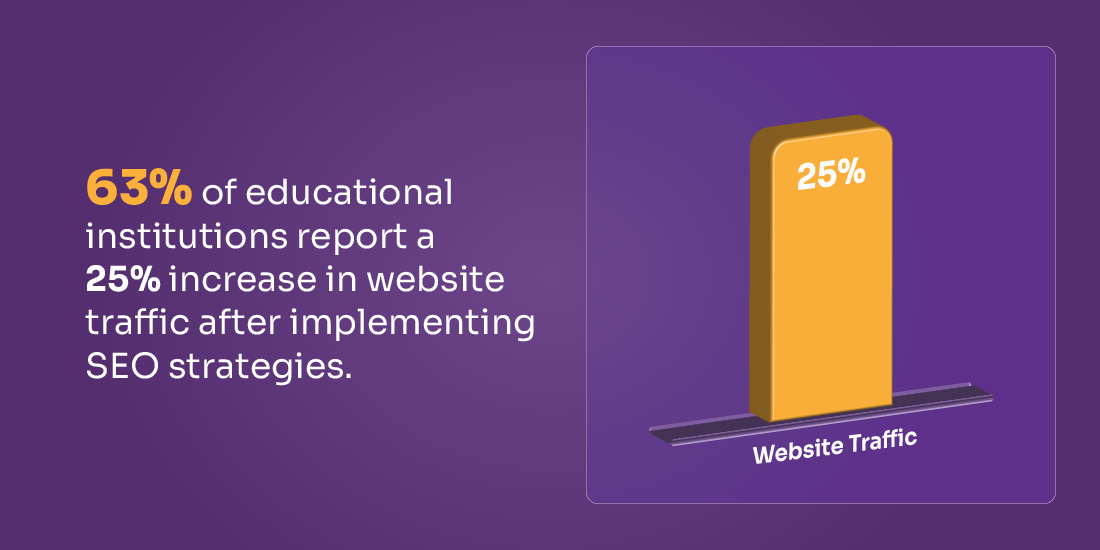
Search-driven discovery plays a crucial role in shaping student decisions, making strong online visibility and easy accessibility essential for institutions. Around 63% of educational institutions have reported up to a 25% increase in website traffic after implementing effective SEO strategies.
Study Portals- Platforms like Studyportals enable institutions to reach international students and improve program visibility across global markets.
Search Engine Marketing (SEM)- Paid search campaigns allow institutions to target specific demographics, locations, and interests, ensuring high-intent leads.
Optimized Institutional Website- A well-designed, mobile-friendly website remains the primary information source for over 50% of applicants. Clear navigation, program details, and strong CTAs are essential for conversion.
Direct & Personalized Communication
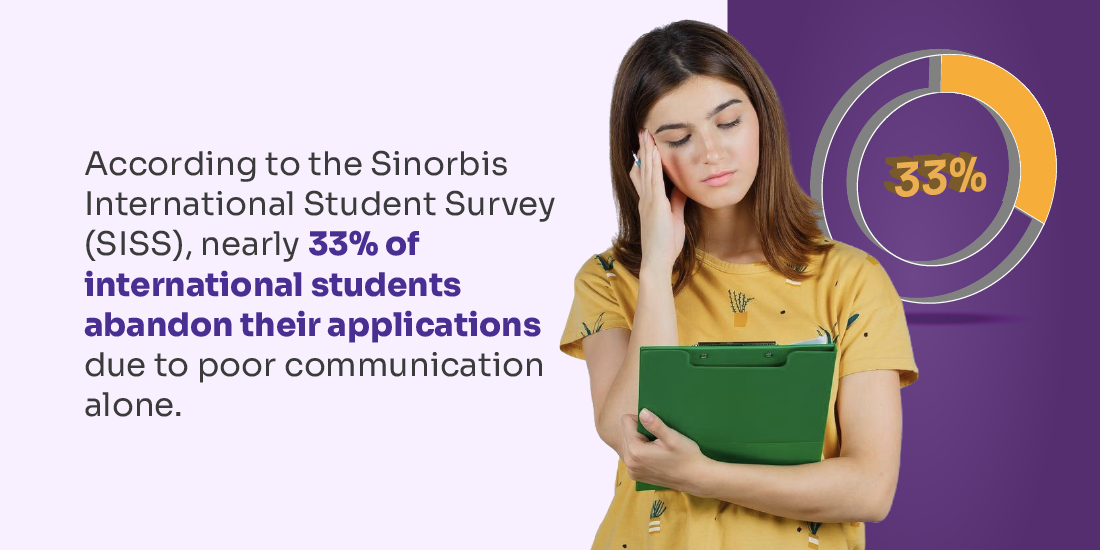
Personalized communication plays a crucial role in building strong connections with prospective students and improving conversion rates. According to the Sinorbis International Student Survey (SISS), nearly 33% of international students abandon their applications due to poor communication alone.
Email Marketing
Segmented and automated email campaigns allow institutions to nurture leads effectively by sharing relevant content, important deadlines, and program updates. Research by Omnisend shows that segmented campaigns can achieve up to a 34.7% higher open rate compared to generic bulk emails.
WhatsApp & Instant Messaging
Increasingly used for real-time communication, quick query resolution, and personalized engagement, especially in regions like India.
Student Recruitment CRM Systems
CRMs centralize lead data and enable institutions to automate follow-ups, track interactions, and deliver tailored communication at scale.
Partnerships & Institutional Outreach
Strategic partnerships play a crucial role in expanding an institution’s reach and building credibility across new markets. By collaborating with key stakeholders, institutions can create stronger and more reliable recruitment pipelines.
Agent Partnerships- Education agents play a vital role in international recruitment by guiding students through application and visa processes.
Feeder Schools & Colleges- Building relationships with high schools and community colleges ensures a consistent pipeline of prospective students.
Corporate Collaborations- Partnerships with companies help promote career-oriented programs and attract working professionals seeking upskilling opportunities.
Student-Centric Content & Engagement
Authenticity is key in influencing student decisions, making peer-driven content highly impactful.
Student Ambassadors- Current students serve as powerful brand advocates by sharing authentic experiences and engaging with prospective students through events and social media. As international enrollments become increasingly competitive, more than 57% of institutions report declining or fluctuating enrollment trends, leading to a growing reliance on genuine peer influence to attract and convert prospective students.
Virtual Tours & Open Houses- Virtual tours and open houses offer immersive experiences for remote students, allowing them to explore campuses and facilities from anywhere in the world.
User-Generated Content (UGC)- Encouraging students to share their experiences through posts, testimonials, and hashtags builds trust and enhances organic reach.
Key Strategies for Recruiting Students
To succeed in today’s competitive education landscape, institutions must adopt smart, data-driven strategies that align with evolving student behavior. The following approaches are essential for effective student recruitment in 2026:
Adopt an Omnichannel Approach
Students interact with multiple platforms before making a decision, so relying on a single channel is no longer effective.
- Combine digital advertising, social media platforms, email marketing, and virtual events to create a seamless experience.
- Ensure consistent messaging and branding across all channels.
- Engage students at every stage of their journey from awareness to enrollment.
An omnichannel strategy ensures institutions meet students where they are and maintain continuous engagement.
Leverage AI for Smarter Recruitment
Artificial Intelligence is transforming how institutions attract and convert students. With nearly 65% of higher education institutions already using AI in marketing and enrollment efforts, its adoption is rapidly increasing. AI not only supports data-backed decision-making but also allows institutions to deliver personalized experiences at scale.
- Use AI-driven tools to analyze student behavior and predict enrollment trends.
- Personalize communication based on student preferences, academic interests, and engagement history.
- Automate repetitive tasks such as follow-ups, lead scoring, and application tracking.
To make this even more effective, solutions like EDMO Student Copilot help institutions deliver instant answers and proactive guidance throughout the enrollment journey. With omnichannel communication, it connects students seamlessly via voice calls, SMS, and WhatsApp, ensuring 24/7 assistance and a wider reach across preferred platforms. It also enables personalized guidance with consistent, real-time updates, creating a smoother and more reliable student experience from inquiry to enrollment.
Prioritize Video Content Across Platforms
Video has become the most engaging and influential content format for prospective students.
- Create campus tour videos, student testimonials, and “day in the life” content.
- Use short-form videos for platforms like Instagram and TikTok, and long-form content for YouTube.
- Host live video sessions such as Q&As, webinars, and virtual open houses.
Video content helps institutions showcase campus culture, build trust, and create an emotional connection with students.
Strengthen Personalization & Student Experience
Modern students expect tailored experiences rather than generic communication.
- Deliver personalized content based on interests, location, and course preferences.
- Provide real-time support through chatbots, WhatsApp, or live chat.
- Create customized landing pages and program recommendations.
According to SISS (2025), nearly 60% of students disengaged from at least one university due to slow or difficult communication, while over 80% reported having to repeat the same information across multiple channels. This highlights a clear gap between student expectations and institutional processes.
Utilize Data Analytics & Performance Tracking
Data-driven decision-making is key to optimizing recruitment strategies.
- Track performance across channels to identify what works best.
- Monitor metrics like engagement rates, lead conversion, and application trends.
- Continuously refine campaigns based on insights and student behavior.
Data analytics helps institutions allocate resources efficiently and maximize ROI on recruitment efforts.
Conclusion
Choosing the top student recruitment channels is not about relying on a single approach but about creating a balanced and integrated strategy. Institutions that combine digital presence, personalized outreach, and authentic student engagement are better positioned to connect with prospective learners and guide them through the decision-making process. By continuously analyzing performance and adapting to changing trends, higher education institutions can build sustainable recruitment strategies that drive long-term growth and enrollment success.
Frequently Asked Questions
Question 1. What is the best recruitment channel for students?
Question 2. How to choose the right channel of recruitment?
Question 3. Why is an omnichannel strategy important in student recruitment?
Question 4. How does AI improve student recruitment?
Question 5. Which are the most effective international student recruitment channels?
Question 6. Can a student recruitment platform improve conversion rates?
Written By




No comments yet. Be the first to comment!
Leave a Comment