

Table Of Contents
Introduction
For a long time, university admissions teams used emails, phone calls, basic websites, and in-person counseling to help prospective students with enrollment. These methods got the job done, yet were somehow inefficient. But they often led to delays, missing information, and extra work, especially during busy admission periods. Students sometimes waited hours or days for answers to simple questions about deadlines, eligibility, scholarships, or their application status. Meanwhile, admissions staff found it hard to keep up with the growing number of inquiries using limited resources.
Student expectations are different now. Applicants want universities to respond as quickly and personally as the brands and digital services they use every day. They look for instant answers, 24/7 support, and personalized help, whether they are browsing programs late at night or applying from another country.
Because of this change, AI-powered admission chatbots have become a key part of today’s student recruitment strategies. These tools started as simple FAQ helpers, but now they can engage students around the clock, qualify leads, guide applicants, schedule appointments, help with applications, and send personalized messages to many students at once.
More universities around the world are using chatbots to make recruitment smoother and connect better with students. Chatbots can answer common questions, support conversations in different languages, and work with CRM systems. This helps schools offer faster, more efficient, and student-focused admissions. For many universities, chatbots are now an intrinsic part of recruiting, engaging, and enrolling students.
In this blog, we will look at the top admission chatbots for universities, their main features, benefits, and examples that are shaping the future of higher education enrollment.
The Rise of AI Chatbots in Higher Education Admissions
About five or six years ago, AI chatbots in higher education were mostly considered experimental. They were used mainly to answer basic FAQs or simple website questions. Now, they are a key part of admissions and enrollment.
This change happened because students expect more, and universities face more pressure. Students want quick answers, personal communication, and support on different platforms. At the same time, admissions teams have more applicants but fewer resources. AI chatbots help close this gap.
In recent years, universities have adopted chatbots in different ways. Some built their own systems to fit their needs and students. Others worked with outside tech companies to add AI assistants to their admissions and enrollment processes.
Now, these systems do much more than answer questions. Universities use AI chatbots to guide students through application steps, send reminders, collect documents, share program details, and support applicants during enrollment. Chatbots are becoming important tools for daily operations, not just for communication.
Meanwhile, the technology has improved quickly. Older bots followed simple rules, but now AI systems can have real conversations, automate tasks, and help with decisions in real time. This change is leading schools to look for smarter, more flexible AI solutions.
This progress can be seen in platforms like EDMO’s Student Copilot and Advisor Copilot. Instead of just being chat tools, these systems help both students and enrollment staff throughout the whole admissions process. Student Copilot gives applicants personal guidance and real-time help. Advisor Copilot gives staff useful insights, helps them set priorities, and makes their work more efficient.
What makes this moment significant is that AI chatbots are no longer viewed as optional innovation projects. For many institutions, what stands out now is that AI chatbots are no longer seen as optional or just for innovation. For many schools, they are becoming a basic part of running large-scale enrollment operations. AI-powered conversational systems are likely to play an even larger role in how institutions support students in the years ahead.
Top 10 Admission Chatbots for Universities
Admission chatbots now play a key role in how universities recruit and enroll students. They answer questions around the clock, automate follow-ups, guide applicants, and help nurture leads. These tools help schools respond faster, boost conversion rates, and lighten staff workloads. More universities are turning to AI-powered chatbots to offer admissions experiences that are both personal and scalable.
EDMO’s Student Copilot
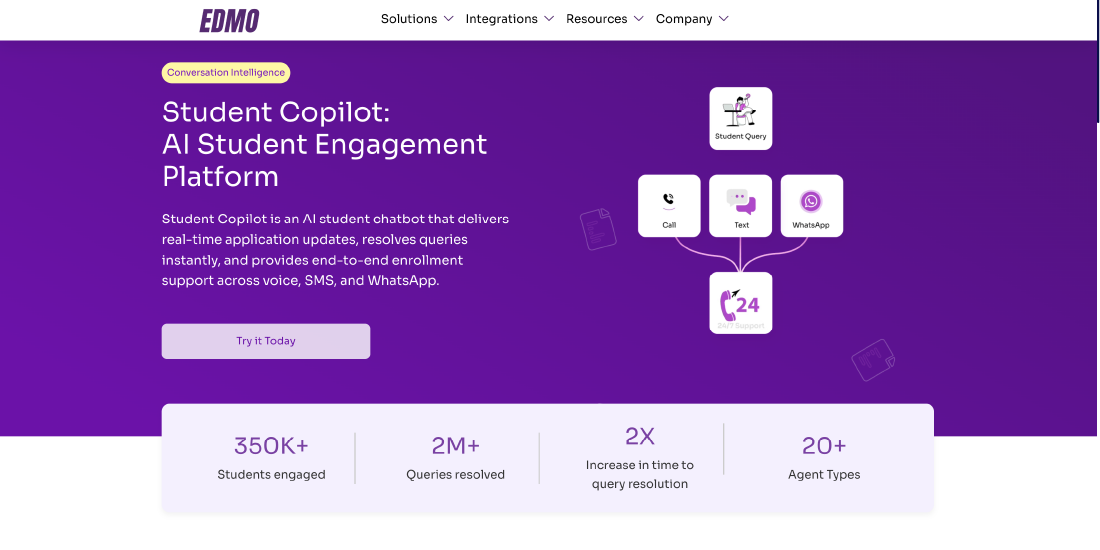
EDMO’s Student Copilot is an AI-powered student engagement and admissions assistant designed for higher education institutions. It helps universities provide instant, personalized support to prospective students throughout the enrollment journey, from inquiry handling and application guidance to engagement nudges and admissions support. The platform improves response times, reduces administrative workload, and creates a more connected student experience at scale.
Key Features
- AI-powered conversational admissions assistant
- 24/7 student query resolution
- Personalized enrollment guidance
- Omnichannel communication support
- Multilingual student support
Pricing
Custom pricing based on institutional requirements and deployment scope.
Element451
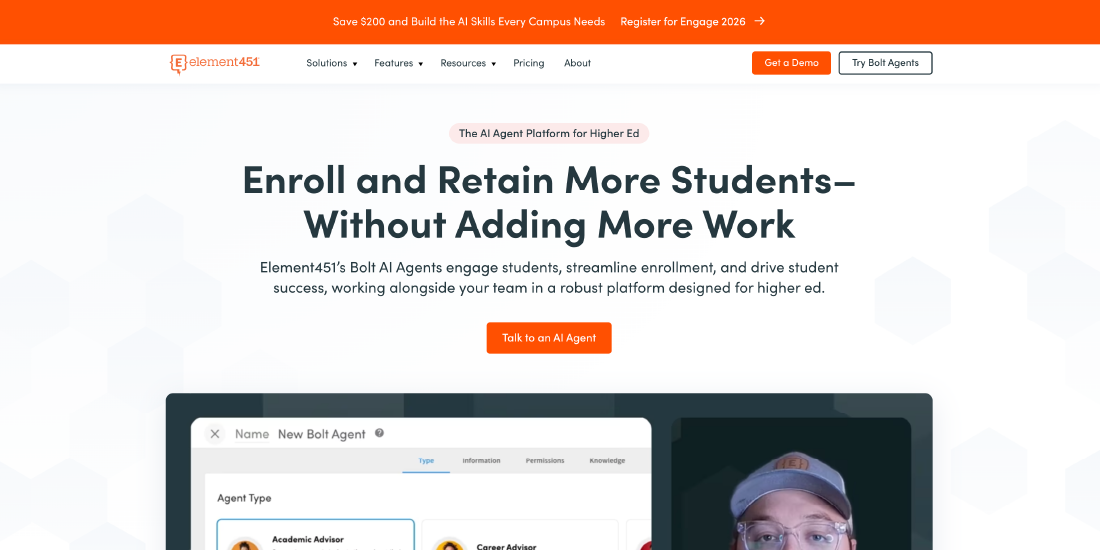
Element451 is a popular AI-powered platform for student engagement in higher education. Its chatbot, Bolt AI, helps universities automate admissions communication, answer common questions, support prospective students, and personalize enrollment experiences across different channels.
Key Features
- AI-powered admissions assistant
- CRM and SIS integrations
- Automated lead nurturing
- SMS, email, and live chat support
- Personalized student journeys
- Multilingual capabilities
Pricing
Custom enterprise pricing based on institution size and features.
Mainstay
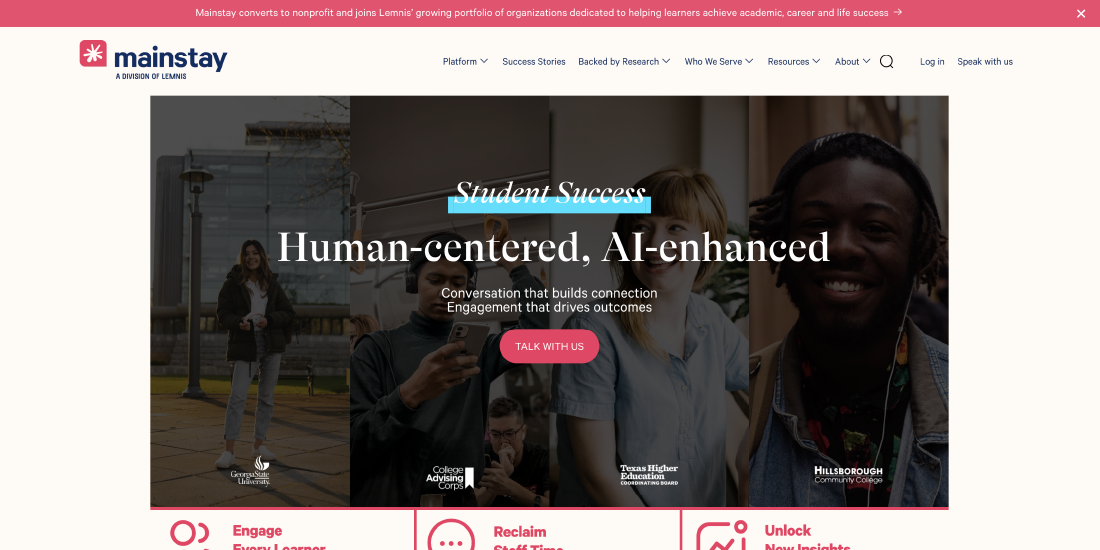
Mainstay specializes in conversational AI to support student engagement and enrollment. Universities use it to guide students through applications, financial aid, orientation, and enrollment, which helps improve yield and retention.
Key Features
- 24/7 student support
- AI-powered text messaging
- Enrollment nudges and reminders
- FAFSA and admissions workflow support
- Analytics and engagement tracking
- Omnichannel communication
Pricing
Custom pricing for institutions.
Mongoose Harmony AI
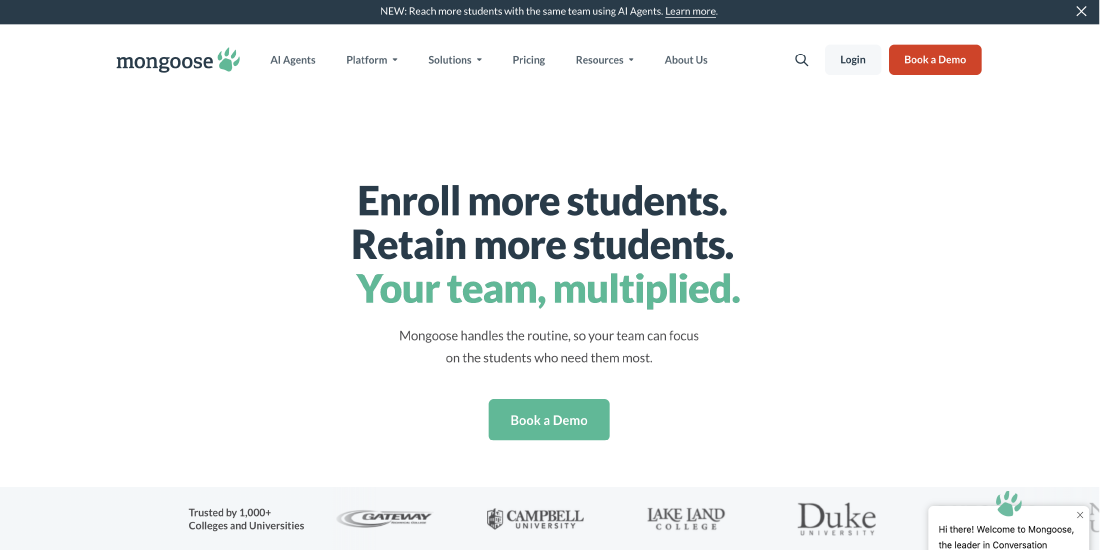
Mongoose is popular with universities for conversational texting and AI-driven student communication. Harmony AI helps institutions automate admissions outreach while keeping interactions personalized for prospective students.
Key Features
- AI chat and texting
- Enrollment communication automation
- CRM integrations
- Student segmentation
- Campaign management
- Mobile-first engagement
Pricing
Custom institutional pricing.
Slate by Technosolutions
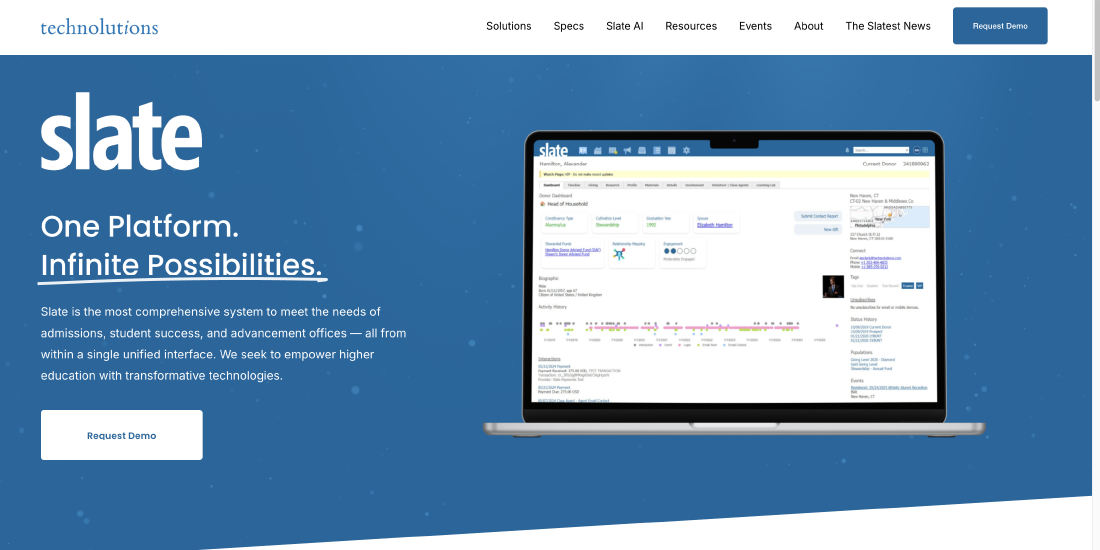
Slate is mainly used as an admissions CRM. Many universities rely on their communication automation and chatbot features to make applicant engagement and admissions processes more efficient. It is particularly common at large universities.
Key Features
- Admissions workflow automation
- Applicant portals
- Communication campaigns
- Event management
- Analytics and reporting
- Extensive integrations
Pricing
Custom enterprise pricing.
Ocelot
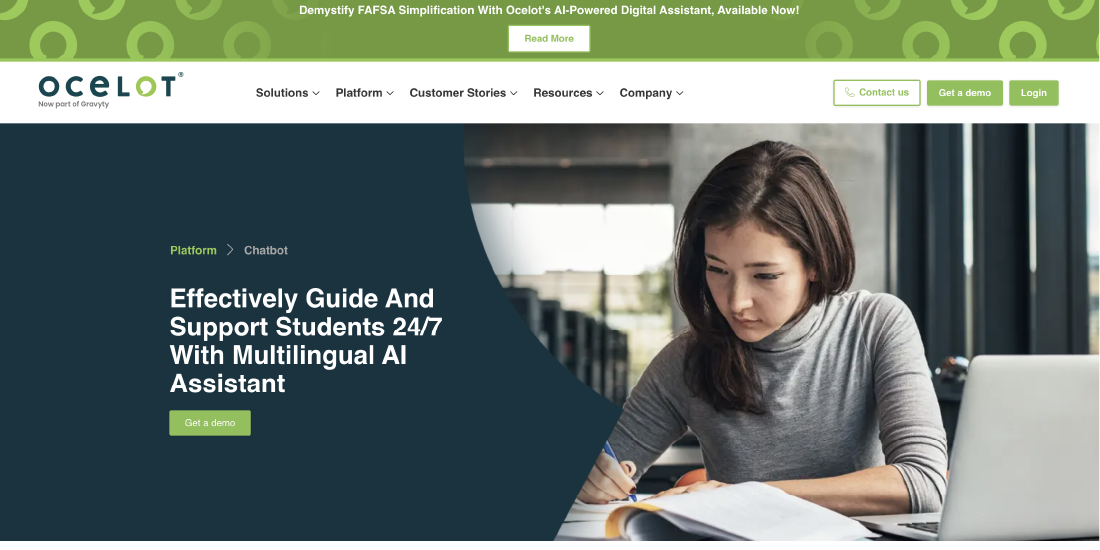
Ocelot offers AI-powered chatbots tailored for higher education, supporting admissions, financial aid, IT, and student services through conversational AI.
Key Features
- AI chatbot for admissions and support
- Knowledge base automation
- Live chat escalation
- Student self-service tools
- SMS campaigns
- Multilingual support
Pricing
Custom pricing.
Ivy.ai
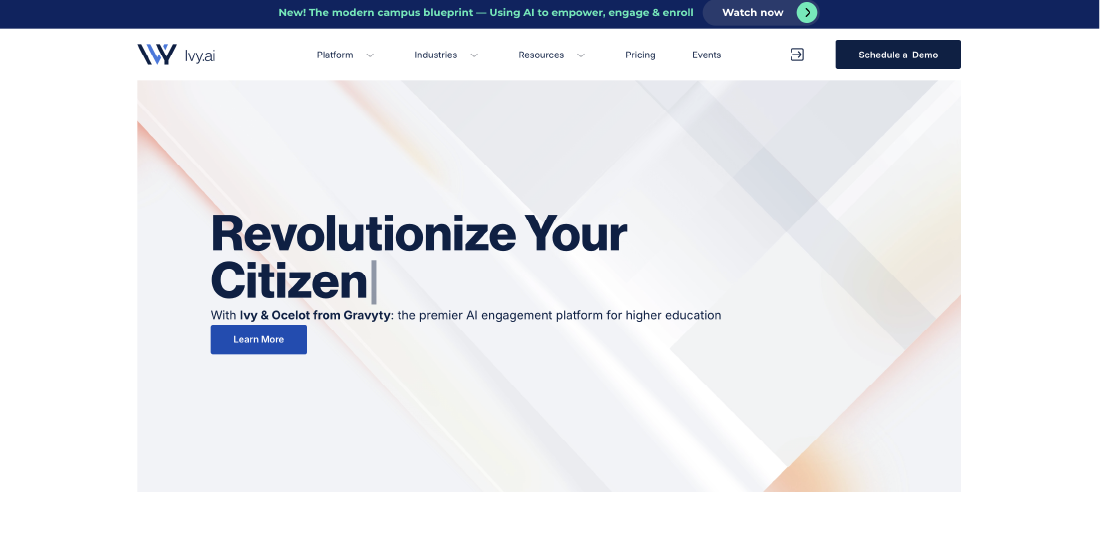
Ivy.ai enables universities to automate repetitive admissions and student support queries, thereby enhancing response times. The platform is recognized for its advanced conversational AI capabilities and straightforward implementation.
Key Features
- AI-powered FAQ handling
- Website chatbot integration
- Analytics dashboard
- Human handoff support
- Multilingual communication
- Admissions workflow automation
Pricing
Custom institutional pricing.
Drift
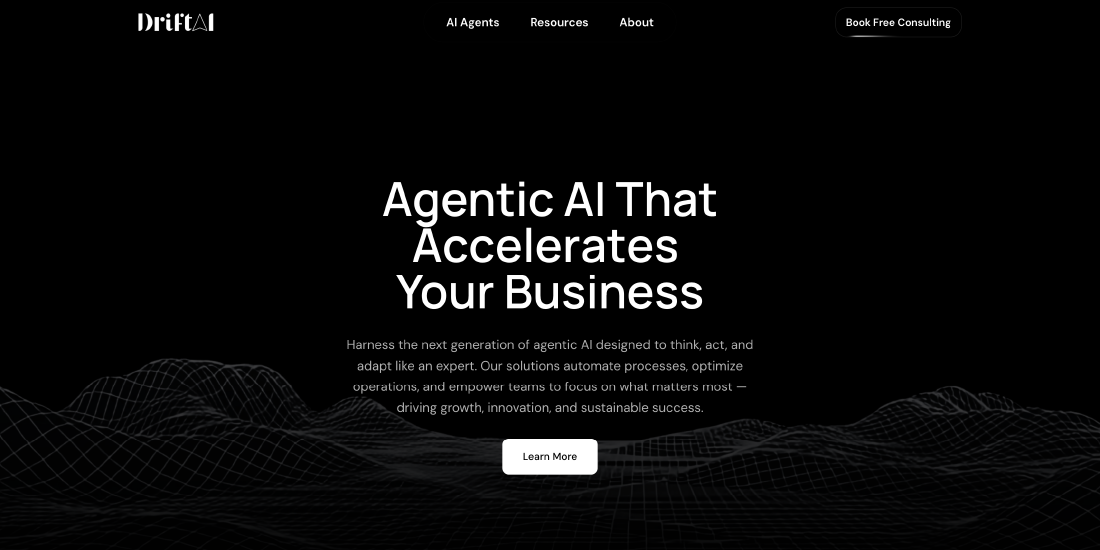
Originally developed for B2B conversational marketing, Drift is now widely adopted by universities for lead qualification, admissions inquiries, and webinar or event registrations.
Key Features
- Conversational marketing AI
- Lead qualification automation
- Live chat and chatbot hybrid
- Meeting scheduling
- CRM integrations
- Personalized conversations
Pricing
Starts around enterprise-level pricing plans.
Intercom Fin
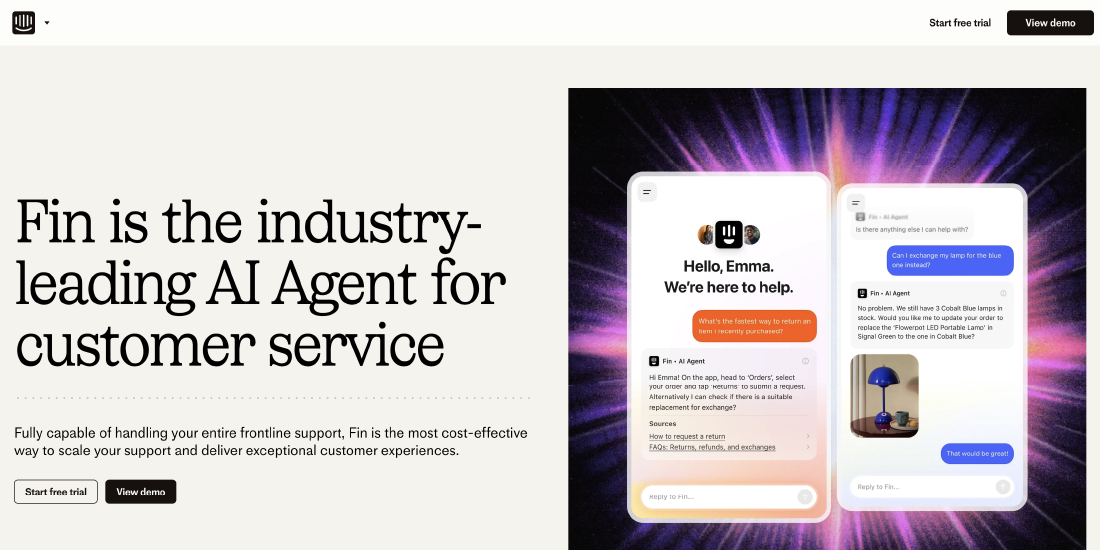
Intercom Fin uses generative AI to automate support and admissions conversations. Universities use it to reduce response times and handle high inquiry volumes during admission cycles.
Key Features
- AI-generated responses
- Omnichannel messaging
- Workflow automation
- Knowledge base integration
- Live agent escalation
- Analytics and reporting
Pricing
Starts from approximately $39/month per seat.
Yellow.ai
Yellow.ai is an enterprise-level conversational artificial intelligence platform adopted by large organizations to facilitate multilingual student engagement and automate admissions processes.
Key Features
- Generative AI chatbot
- Voice and chat automation
- Multilingual conversations
- Omnichannel support
- No-code bot builder
- Enterprise analytics
Pricing
Custom enterprise pricing.
How to Choose The Right AI Chatbot for Your Institution
Choosing the right AI chatbot for your institution means more than just automating student questions. Universities need platforms that support their enrollment goals, work well with current systems, and offer personalized experiences to many students at once. The best chatbot will help admissions teams work more efficiently and make the student journey better, from the first inquiry through enrollment and beyond.
Factors Universities should evaluate
- Higher Education Focus
Pick a chatbot designed for universities and student engagement, not just a general customer support tool. - Integration Capabilities
Make sure the platform works well with your CRM, SIS, LMS, and communication tools. - Personalization & AI Capabilities
Find conversational AI that gives personalized responses and helps students through each step of the admissions process. - Omnichannel Communication
The chatbot should work across different channels like website chat, SMS, WhatsApp, email, and social media. - Analytics & Reporting
Good analytics help schools track engagement, spot where students lose interest, and improve recruitment strategies over time. - Scalability & Support
Choose a solution that can manage more inquiries during busy admissions periods and provides dependable setup and support.
Conclusion
In conclusion, AI chatbots have become strategic assets for universities, shaping the admissions and enrollment experience. The right solution enhances responsiveness, streamlines administrative processes, and fosters personalized engagement with prospective students. Its effectiveness depends on alignment with institutional goals, integration with existing systems, and adaptability to changing student expectations. Institutions that invest in careful selection now will be better equipped to build efficient, scalable, and student-focused admissions ecosystems.
Frequently Asked Questions
Ques 1. Can AI chatbots support multiple languages for international students?
Ques 2. What is the typical cost range for implementing an AI chatbot in university admissions?
Ques 3. How does it help during peak admissions months?
Written By






No comments yet. Be the first to comment!
Leave a Comment