

Table Of Contents
Introduction
Higher education institutions today operate in an increasingly complex and competitive environment. From admissions and enrollment management to academic tracking, student engagement, and regulatory reporting, managing the student lifecycle requires accuracy, efficiency, and real-time visibility. Manual processes and disconnected systems often lead to data silos, administrative delays, and missed opportunities to support student success.
A Student Management System is designed to centralize and streamline these critical operations. It provides institutions with a unified platform to manage student data, automate workflows, improve communication, and enhance decision-making.
What is the Student Management System?
A Student Management System is a digital platform used by educational institutions to manage, monitor, and support students throughout their academic journey. It streamlines administrative processes while also enhancing student engagement and success.
Unlike a traditional Student Information System (SIS), which mainly focuses on storing records and ensuring compliance, a Student Management System offers a more comprehensive approach. It integrates academic, administrative, financial, and communication tools into a single system, enabling institutions to provide proactive and personalized support to students.
The Student Management System manages:
- Admissions, enrollment, and registration
- Student profiles and academic records
- Course scheduling and attendance
- Grades, transcripts, and performance tracking
- Fee payments and financial aid
- Compliance and reporting
- Communication and engagement activities
By centralizing student data and automating routine processes, a Student Management System reduces administrative workload, improves efficiency, and helps institutions deliver the right support at the right time.
What Are the Functions of a Student Management System?
A Student Management System is a comprehensive platform designed to help educational institutions operate more efficiently while ensuring students receive the support they need to succeed. It centralizes and organizes student data, academic records, schedules, and performance information, enabling schools to streamline processes and improve overall outcomes.
Simplify Administration
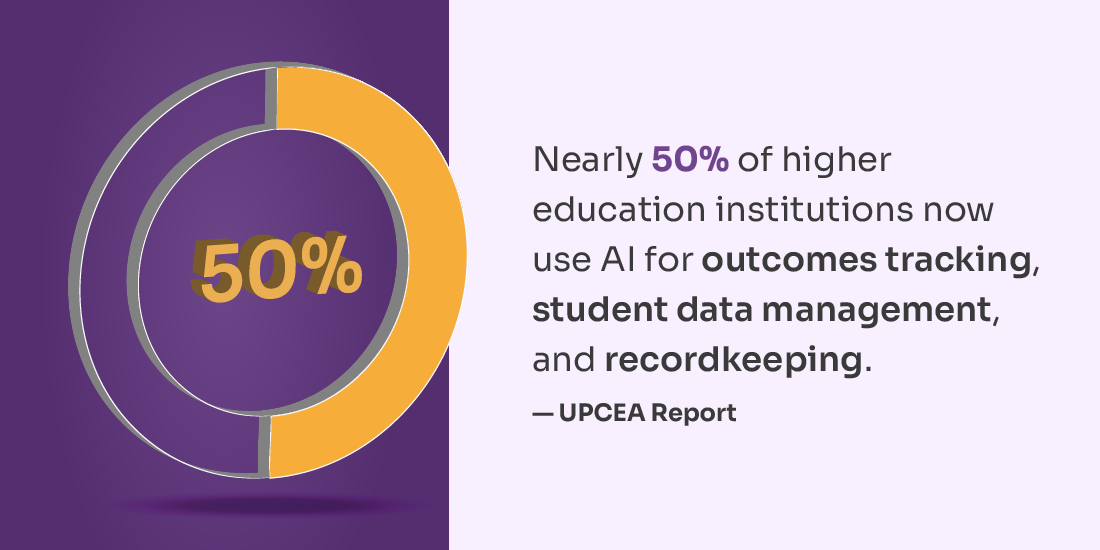
A Student Management System automates routine administrative tasks such as attendance tracking, enrollment updates, and transcript management, significantly reducing manual workload. By digitizing records and workflows, institutions improve accuracy and efficiency. Nearly half of higher education institutions now use AI for outcomes tracking that includes student data management and recordkeeping, as highlighted in reports by UPCEA.
Support Student Success
Student Management Systems use academic performance data to identify learning gaps at an early stage. Real-time dashboards and analytics allow faculty and advisors to monitor progress continuously. Early alerts enable timely interventions that improve retention and completion rates.
Manage Health Records
The system securely maintains accurate student health records in a centralized database. This ensures quick access to medical information when needed. It also helps institutions comply with health policies and regulatory requirements.
Organize Class Schedules
The system coordinates student and faculty timetables to minimize scheduling conflicts. Automated scheduling tools help allocate classrooms, instructors, and resources efficiently. This improves classroom management and reduces administrative confusion.
Track Grades and Performance
The system continuously monitors academic performance across courses and programs. Faculty can input grades and generate performance insights in real time. These analytics support informed academic planning and improvement strategies.
Generate Behavior Reports
The system records and tracks student behavioral patterns to help institutions address concerns effectively. Administrators can identify recurring issues and take corrective measures at an early stage. Recent surveys show that 81% of U.S. teachers consider student behavior a serious problem affecting learning environments and instructional quality. Structured behavior tracking enables institutions to respond proactively, improve discipline strategies, and maintain a positive and productive campus climate.
Monitor Attendance
The system tracks attendance patterns and flags irregularities automatically. Chronic absenteeism remains a major concern, with about 1 in 4 students in the U.S. missing 10% or more of school days, according to The Hechinger Report. AI-enabled attendance tools help institutions identify risks early and intervene quickly. Proactive monitoring prevents long-term academic decline and improves student retention.
Ensure Compliance Reporting
A Student Management System generates accurate reports required for state or provincial regulations, accreditation, and funding. Automated reporting reduces the risk of compliance errors and penalties. Institutions can easily track performance metrics and audit requirements.
Maintain Student Transcripts
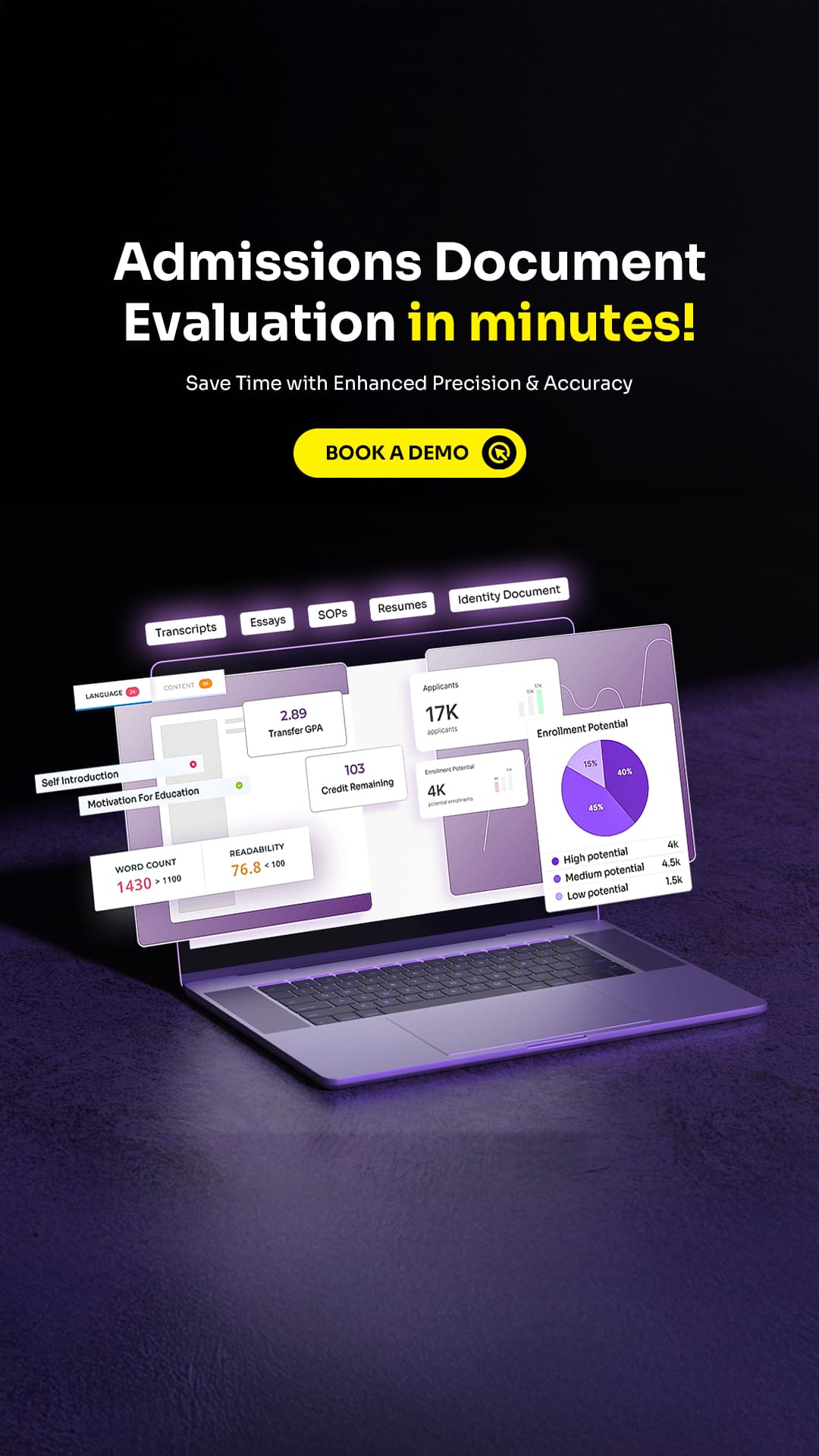
A Student Management System securely maintains complete academic records in a centralized database, simplifying transcript generation for transfers, graduation verification, or career purposes. With EDMO Transfer Credit Evaluator, AI-powered automation speeds up processing, reduces human errors, and enhances the student experience. It enables instant mapping of transfer credits, clears transcript backlogs in minutes, and helps identify top candidates quickly.
Overall, a Student Management System enhances institutional efficiency, improves data accuracy, and supports better academic and operational outcomes.
Higher education institutions today face increasing challenges, including declining enrollment rates, rising student expectations, and growing pressure to demonstrate measurable academic outcomes. A modern Student Management System enables institutions to respond strategically by centralizing student data and integrating academic, administrative, and engagement functions.
Improved Administrative Efficiency
A Student Management System streamlines routine administrative tasks such as enrollment processing, attendance tracking, record maintenance, and institutional reporting. By automating workflows and eliminating data silos, it enhances accuracy and significantly reduces manual effort. Research on digital transformation indicates that 66% of schools report AI adoption has helped reduce staff burnout, highlighting the impact of automation on operational efficiency.
Enhanced Student Engagement
Modern platforms include built-in communication tools, self-service portals, mobile access, and personalized notifications. These features help students stay informed about academic progress, deadlines, financial information, and campus updates.
By improving communication and transparency, institutions can foster stronger student connections and increase overall engagement. To further enhance student experience, tools like EDMO Student Copilot can be integrated. This student-facing omnichannel bot delivers real-time application updates, resolves queries instantly, and provides end-to-end enrollment support, ensuring students are guided and informed at every step of their academic journey.
Data-Informed Decision Making
Access to real-time, centralized data empowers advisors, faculty, and administrators to identify potential academic or engagement challenges early. Predictive insights and performance tracking tools enable targeted interventions that support retention, persistence, and graduation outcomes.
Top Student Management Systems for Higher Education Institutions
Choosing the right Student Management System is critical for improving administrative efficiency, enhancing student engagement, and supporting data-driven decision-making. With numerous solutions available in the market, institutions must evaluate platforms based on flexibility, scalability, integration capabilities, and compliance features.
Below is a list of leading student management systems that help higher education institutions streamline operations and improve the overall student experience.
EDMO
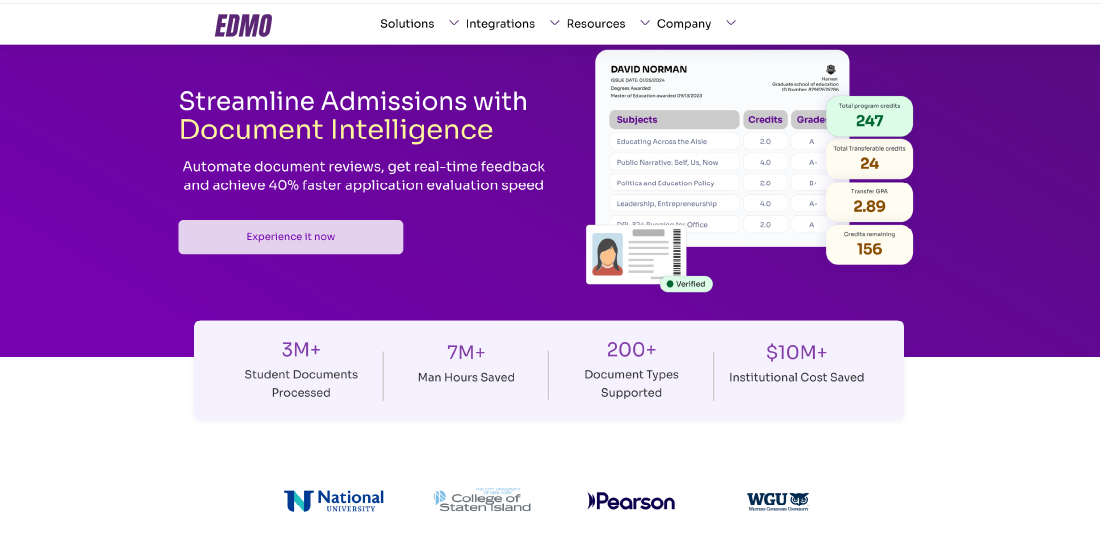
EDMO is an AI-powered platform designed to support higher education institutions in improving admissions, enrollment management, and student engagement. Instead of functioning as a traditional Student Management System, EDMO integrates with existing systems like CRM and LMS platforms to automate workflows and enhance efficiency.
Key Capabilities:
- AI-driven admissions and document processing
- Automated student communication and follow-ups
- Unified student data integration
- Workflow automation across departments
Pros:
- Reduces manual workload
- Speeds up admissions decisions
- Improves engagement through smart communication
Cons:
- Focused mainly on admissions and enrollment
Pricing: Available upon request (Free demo offered)
PowerSchool
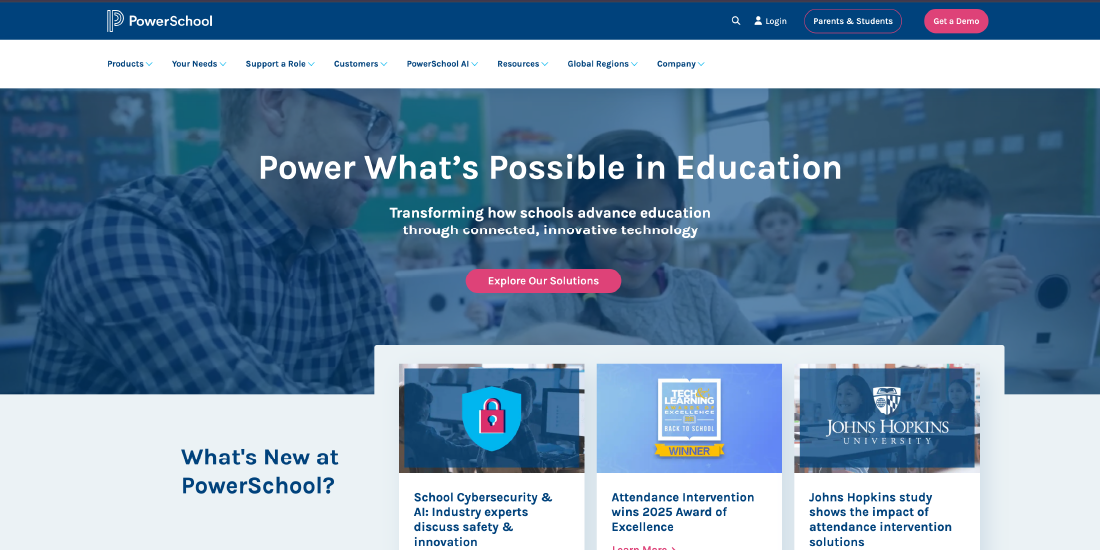
PowerSchool is a comprehensive student management platform primarily designed for K–12 institutions, though it also offers solutions for tertiary education. It combines traditional Student Information System (SIS) capabilities with learning management features, making it a versatile solution for schools seeking an integrated platform.
Key Features
- Attendance and behavior tracking
- Gradebook and report card management
- Student information database
- Course creation and management
Pros
- Comprehensive solutions across educational needs
- Strong reporting and analytics capabilities
- Extensive integration options
Cons
- Less suitable for RTOs and VET providers
- Requires training to maximize functionality
- Occasional performance issues
- Limited offline access
Pricing: Available upon request (Free demo offered)
FACTS
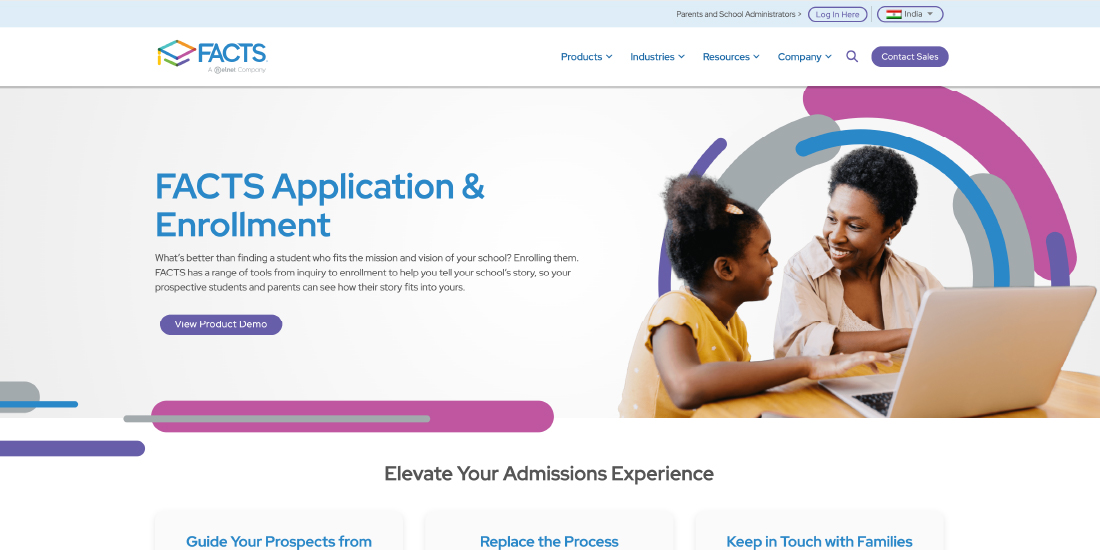
FACTS is a well-rounded student management system focused on enhancing learner experiences while simplifying administrative processes. It offers strong tuition management tools and communication features that promote collaboration between students, teachers, and families.
Key Features
- Attendance and behavior tracking
- Tuition management
- Course content delivery
- Advanced communication tools
Pros
- Strong administrative efficiency tools
- Comprehensive communication features
- Good customer support
Cons
- Less suitable for tertiary and RTO providers
- Occasional sync and performance issues
Pricing: Available upon request (Free demo offered)
Gradelink
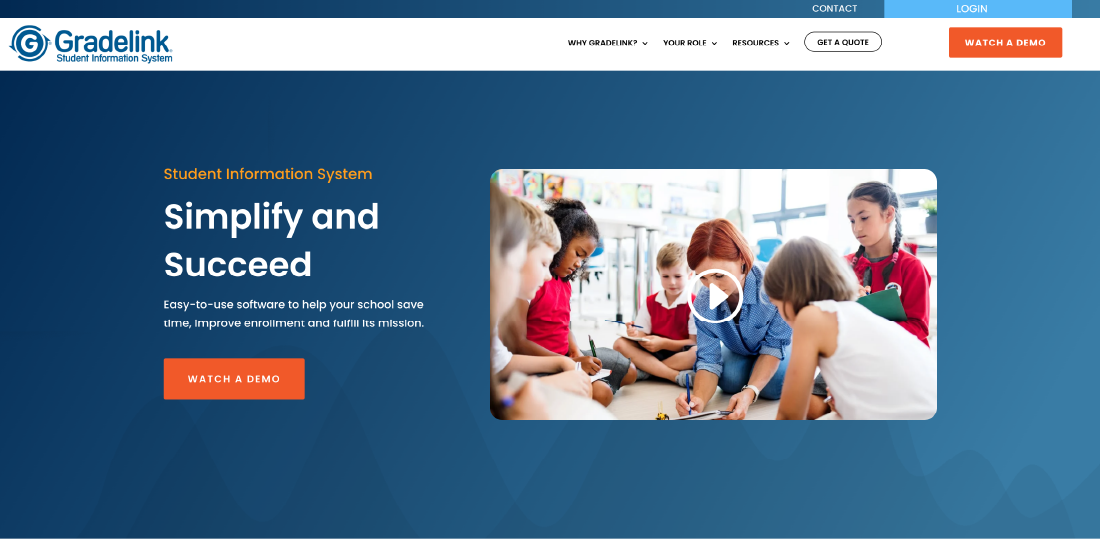
Gradelink is known for its user-friendly interface and strong customer support. It provides essential student management tools such as grade tracking, attendance monitoring, scheduling, and parent-teacher communication.
Key Features
- Advanced scheduling options
- Educator training resources
- Parent-teacher communication tools
Pros
- Strong reporting and scheduling features
- Extensive support materials
- Staff development resources
Cons
- Limited third-party integrations
- Basic customization options
- Occasional performance issues
Pricing: Available upon request (Free demo offered)
Blackbaud
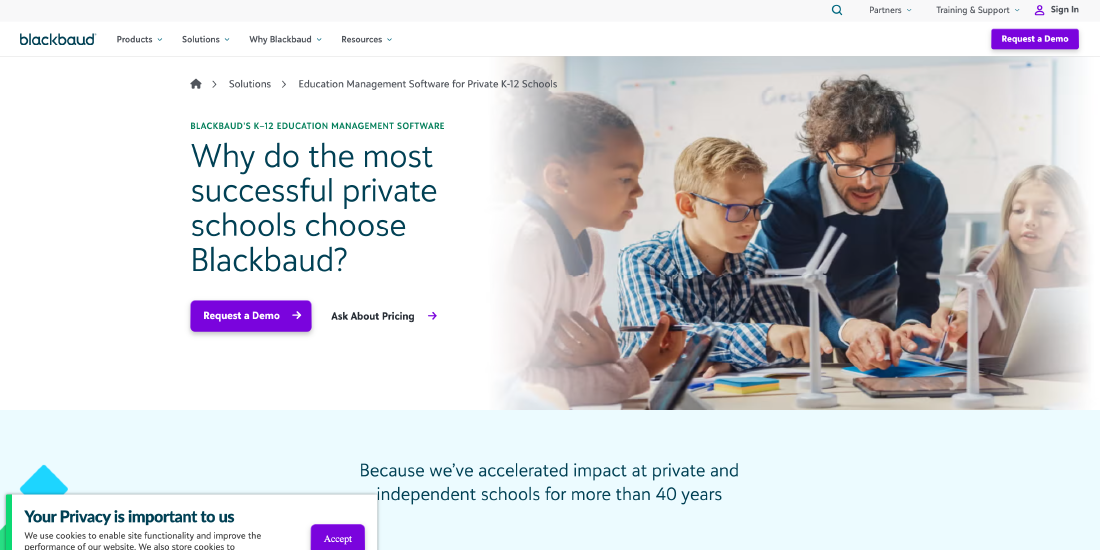
Blackbaud provides a broad education management suite that supports both K–12 and higher education institutions. In addition to student management features, it offers fundraising, financial management, and LMS capabilities such as course creation, interactive assignments, and automated grading.
Key Features
- Student information management
- Parent and student portals
- Fundraising management
Pros
- Suitable for multiple education sectors
- Strong finance and fundraising tools
- User-friendly interface
Cons
- Limited advanced reporting
- Complex setup and training requirements
- Limited offline functionality
Pricing: Available upon request (Free demo offered)
Infinite Campus
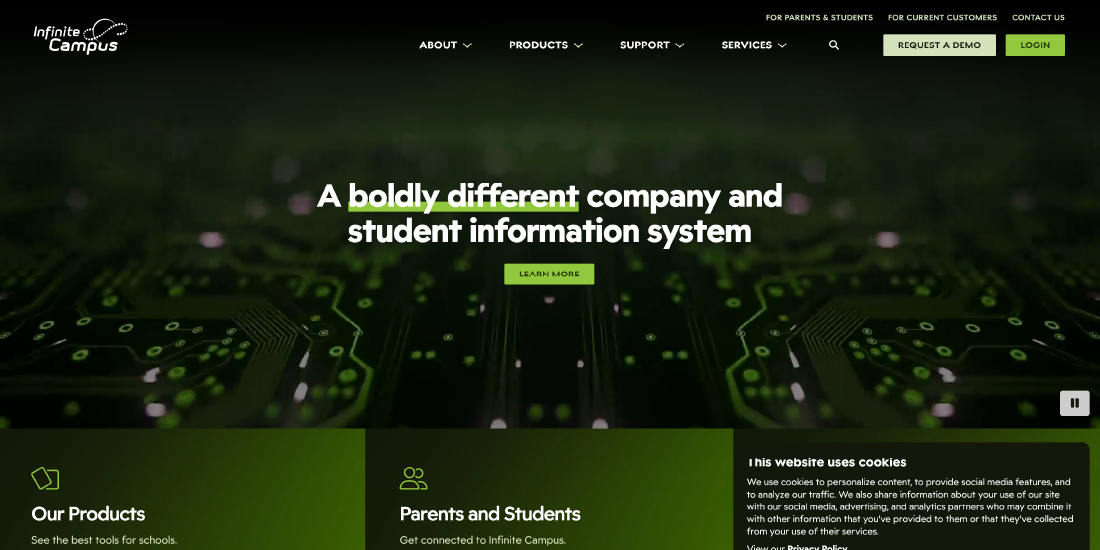
With over 30 years in the market, Infinite Campus offers a mature student management solution tailored primarily for K–12 institutions. It includes attendance tracking, gradebook management, transcript services, and LMS capabilities for course delivery and assessments.
Key Features
- Attendance and behavior tracking
- Gradebook and transcript management
- Course management and online delivery
- Student progress monitoring
Pros
- Established and reliable solution
- Strong analytics tools
- Robust assessment features
Cons
- Primarily K–12 focused
- Limited customization
- Occasional technical issues
Pricing: Available upon request (Free demo offered)
Ellucian
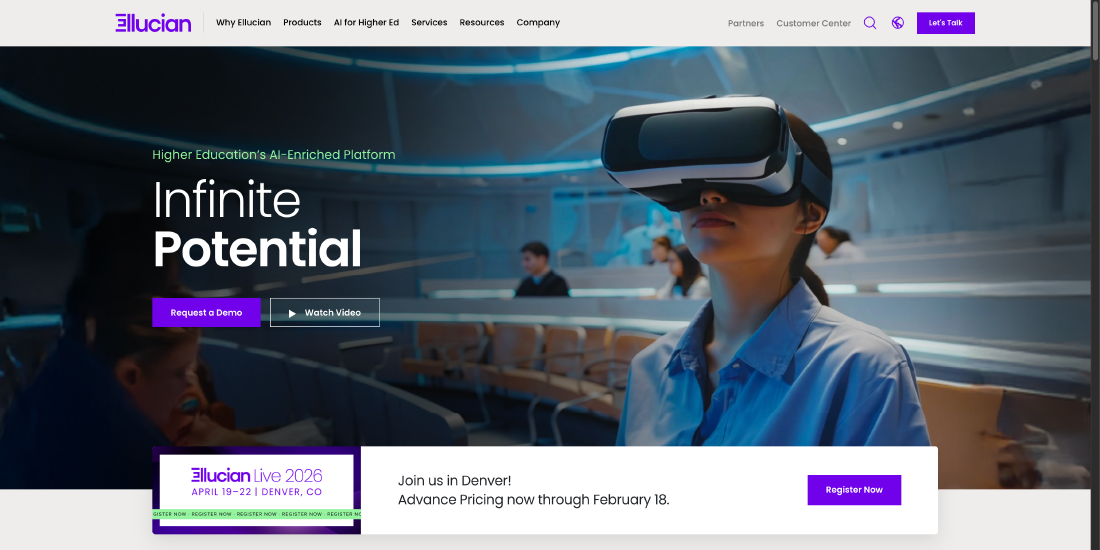
Ellucian focuses primarily on tertiary education and is widely used by colleges and universities. It offers comprehensive features including enrollment management, financial aid processing, course creation, learning analytics, and mobile app support.
Key Features
- Enrollment and financial aid management
- Course creation and multimedia assessments
- Learning analytics
- Mobile support
Pros
- Designed for higher education
- Extensive reporting and customization
- Strong analytics capabilities
Cons
- Not suited for K–12
- Performance issues with large data volumes
- Steep learning curve
Pricing: Available upon request (Free demo offered)
Skyward
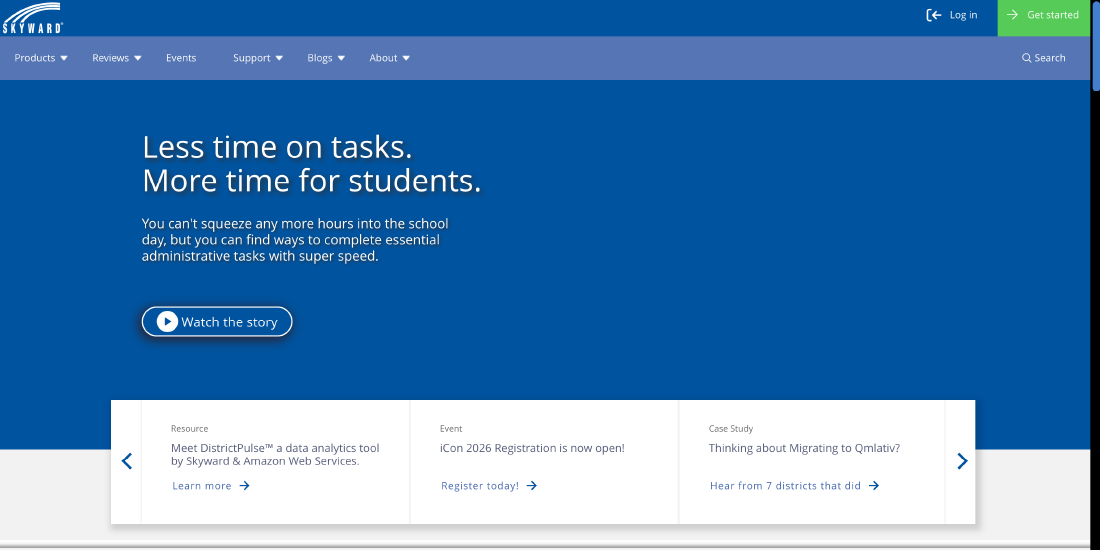
Skyward provides cloud-based student and learning management solutions designed to streamline administrative tasks and improve communication. It includes attendance tracking, grade monitoring, scheduling tools, and strong parent-teacher-student communication features.
Key Features
- Attendance and grade tracking
- Student information system
- Event scheduling and enrollment
- Assignment and assessment tools
Pros
- Strong communication features
- Good integration capabilities
- Simplified course creation
Cons
- Frequent technical issues
- Limited customization
- Restricted offline functionality
Pricing: Contact sales for details
Jenzabar
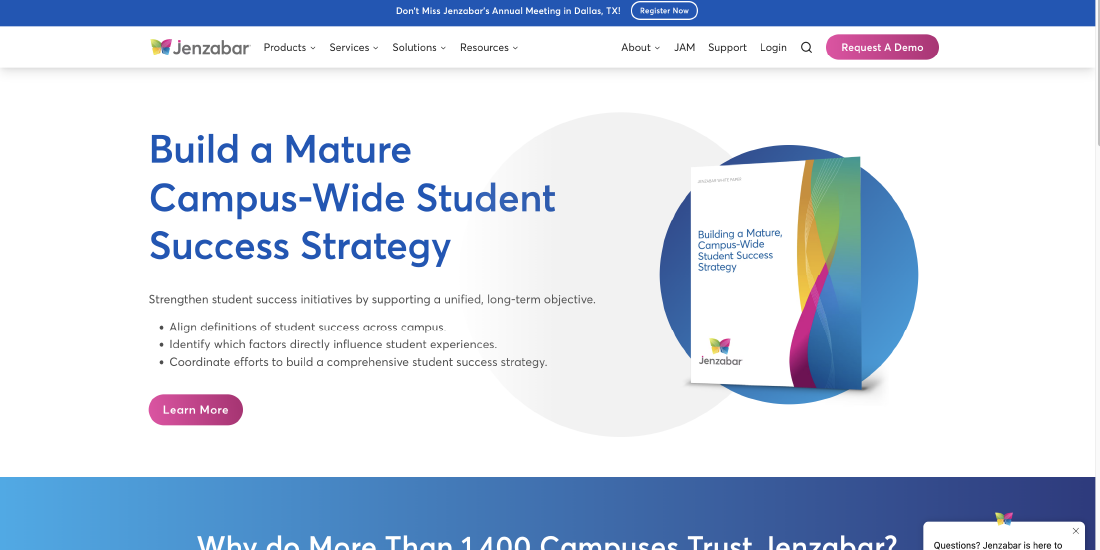
Jenzabar is designed primarily for tertiary institutions and RTOs. It provides tools for student information management, enrollment tracking, financial management, and online course delivery. The system allows customization and branding flexibility.
Key Features
- Student information system
- Enrollment and registration
- Financial and fundraising management
Pros
- Strong focus on higher education
- Customization options
- Comprehensive administrative tools
Cons
- Complex interface
- Performance issues with large datasets
- Better suited for smaller institutions
Pricing: Available upon request (Free demo offered)
Alma
Alma is a user-friendly student management system known for its strong customer support and intuitive interface. It offers grade tracking, parent-teacher communication tools, course management, and Google Classroom integration.
Key Features
- Student information system
- Parent-teacher communication
- Course and assignment management
- Customizable reporting
Pros
- Excellent customer support
- Easy communication tools
- Simplified course management
Cons
- Limited advanced functionality
- Few third-party integrations
- Basic mobile app features
Pricing: Available upon request (Free demo offered)
Essential Factors to Consider When Choosing a Student Management System
Selecting the right Student Management System is a strategic decision for higher education institutions. The system must not only support current operational needs but also adapt to future growth, evolving student expectations, and regulatory requirements. When evaluating potential solutions, institutions should consider the following key factors:
Flexibility and Configurability
The system should be adaptable to the institution’s unique academic structures, policies, and program offerings. A flexible platform allows customization of workflows, reporting structures, enrollment processes, and student support models without requiring complex redevelopment.
SaaS-Based Delivery
A Software-as-a-Service (SaaS) model ensures automatic updates, reduced IT maintenance, improved scalability, and continuous innovation. Cloud-based systems also enhance accessibility and allow institutions to scale operations as enrollment and program offerings expand.
Security and Regulatory Compliance
Data security is critical in higher education. The system must comply with state, national, and federal regulations related to student data privacy, financial aid reporting, accreditation, and institutional compliance. Strong encryption, role-based access controls, and audit capabilities are essential.
Seamless Integration
The chosen system should integrate smoothly with existing enterprise resource planning (ERP) systems, learning management systems (LMS), analytics platforms, and other institutional tools. Seamless integration ensures unified data flow, reduces duplication, and supports more accurate decision-making.
Conclusion
In today’s data-driven academic landscape, a Student Management System is no longer optional, it is a strategic necessity. By integrating admissions, academics, finance, communication, and reporting into one cohesive platform, institutions can improve operational efficiency while delivering a better student experience.
As higher education continues to evolve, institutions that invest in scalable, secure, and flexible student management solutions will be better positioned to adapt to changing student expectations, regulatory demands, and institutional growth.
Frequently Asked Questions
Question 1. What are the most important Student Management System features?
Question 2. What is RTO Student Management Software?
Question 3. How does a Student Management System improve student engagement?
Question 4. Is a Student Management System secure and compliant with data privacy regulations?
Question 5. What is the difference between a Student Management System and a School Management System?
Written By





No comments yet. Be the first to comment!
Leave a Comment