
Table Of Contents
Introduction
In today’s highly competitive higher education landscape, attracting and enrolling the right students requires more than traditional recruitment strategies. Institutions must adopt a structured and data-driven approach to manage prospective student pipelines effectively.
From initial awareness to final enrollment, every stage of the student journey must be carefully planned and optimized. By leveraging technology, personalized communication, and strategic engagement, higher education institutions can build robust pipelines that not only increase application numbers but also improve conversion rates and long-term student success.
Key Stages of the Student Enrollment Pipeline
The student enrollment pipeline consists of several stages that reflect how prospective students move from initial interest to becoming active participants in an academic program. While institutions may use different terminology, the overall journey generally follows a similar structure. Understanding each stage helps institutions deliver the right communication, support, and guidance at the right time.
Information Gathering
At this stage, prospective students begin exploring their options. They research different institutions, programs, and certifications to identify what aligns with their goals.
Key factors they consider include:
- Course offerings and specializations
- Tuition fees and financial aid options
- Location and campus facilities
- Learning formats such as online, hybrid, or in-person
As they narrow down their choices, students often develop questions related to affordability, scheduling, and how the program fits into their personal and professional lives.
Matching Expectations with Reality
Once students shortlist their options, they take a deeper dive into program details. This stage involves evaluating whether the institution truly meets their expectations.
During this phase, students may:
- Review detailed course structures and curriculum
- Explore faculty expertise and learning outcomes
- Reassess financial commitments and scheduling flexibility
Sometimes, they discover gaps between expectations and reality, which can lead to hesitation or additional queries. Addressing these concerns effectively is crucial for maintaining engagement.
Early Enrollment (Application & Documentation Stage)
At this point, students begin the formal enrollment process and start engaging directly with the institution.
This stage typically includes:
- Submitting application forms
- Providing academic and personal documents
- Meeting eligibility or admission requirements
However, this phase can also introduce challenges. Complex documentation requirements or administrative processes may feel overwhelming, potentially causing delays or drop-offs if not managed efficiently.
Active Student (Onboarding & Initial Experience)
This is the stage where students officially begin their academic journey. Their first interactions with classes, faculty, and peers play a critical role in shaping their final decision to continue.
Students start to:
- Attend classes and engage with instructors
- Experience the learning environment firsthand
- Adjust their schedules to balance studies with personal and professional commitments
Even at this stage, students are still evaluating their decision. A positive early experience can strengthen retention, while challenges may lead them to reconsider continuing.

Strategies to Build the Student Pipeline
Building a strong student pipeline requires a thoughtful combination of personalization, digital engagement, and meaningful human interaction. Here are nine key strategies that higher education institutions can adopt to engage prospective students effectively:
Personalize the Engagement Experience
Personalization is key to connecting with prospective students. Generic messages are less effective, so communication should reflect each student’s interests and needs. Using a CRM, institutions can collect details like preferred courses, career goals, and interests to create more relevant interactions.
Personalization can include:
- Customized emails: Address students by name and tailor content to their chosen field of study.
- Segmented audiences: Send targeted messages to groups based on academic interests, student experience, or other relevant factors.
- Social media interactions: Encourage prospective students to connect with current students or staff through personalized outreach.
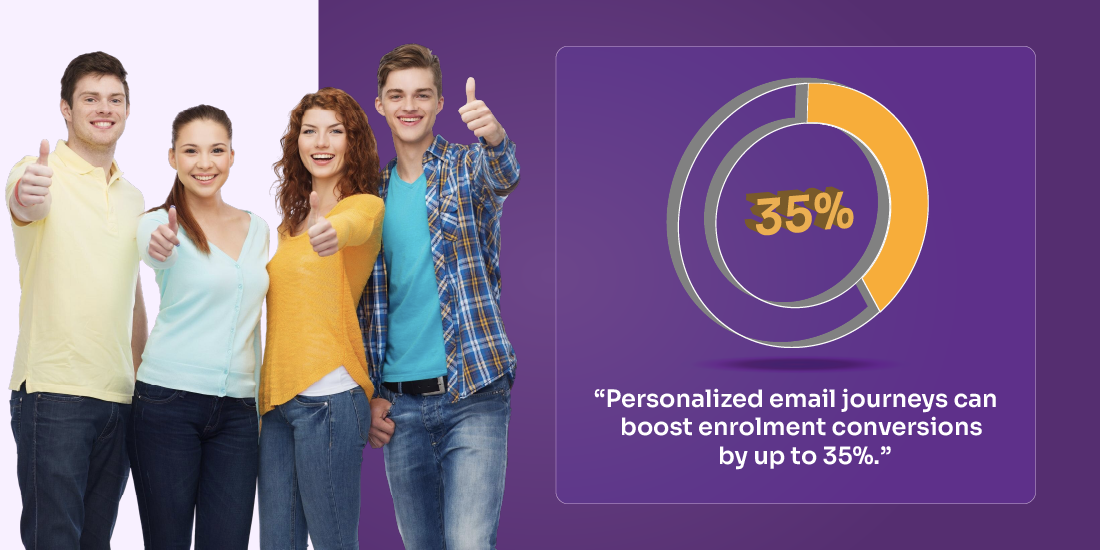
Institutions that use personalized email newsletters with course-specific recommendations have seen up to a 35% increase in enrollment conversions, highlighting the effectiveness of tailored communication.
To further enhance this experience, tools like EDMO Student Copilot help deliver instant answers and proactive guidance throughout the enrollment journey. With features like omnichannel communication across voice, SMS, and WhatsApp, 24/7 student assistance, and personalized guidance, it ensures consistent messaging and timely support, ultimately creating a smoother and more engaging enrollment process.
Offer Virtual Campus Tours
Even as in-person visits return to normal, virtual campus tours continue to be an important way to engage prospective students. They allow students to explore the campus from anywhere and at their convenience.
Institutions can offer:
- 360-degree videos for an immersive experience
- Interactive campus maps integrated with virtual tours
Research shows that early campus engagement influences up to 75% of student decisions. These tools help students connect with the institution in a more engaging and interactive way, even before they visit in person.
Connect and Engage on Social Media
Social media is a powerful channel for student recruitment, especially for Gen Z audiences who are more active on platforms like Instagram and TikTok. Instead of just posting content, institutions should focus on creating meaningful and interactive engagement.
This can include:
- Polls, quizzes, and interactive challenges
- User-generated content such as “Day in the Life” videos or student takeovers
- Connecting offline events with social campaigns through hashtags or gamified activities
Launch Student Ambassador Programs
Current students are your best advocates. A formal ambassador program can amplify your outreach by offering authentic peer-to-peer insights into academic programs, student life, and campus resources. Potential ambassadors can include:
- Admissions guides
- Club presidents or student leaders
- Residence life assistants and SGA members
Cultivate a Strong Alumni Network
Alumni can provide mentorship, guidance, and inspiration for prospective students. Strategies include:
- Formal mentorship programs
- LinkedIn or online groups for networking
- Guest lectures, career panels, and alumni-led events
This not only helps students envision their future success but also strengthens lifelong engagement with your institution.
Showcase Student Achievements and Campus Life
Highlighting student accomplishments and campus experiences can inspire prospective students. Share:
- Research projects, academic achievements, and awards
- Extracurricular activities, student clubs, and events
Visual storytelling across social media, websites, and printed materials can vividly communicate the enriching student experience.
Participate in In-Person and Virtual College Fairs
Traditional methods like college fairs remain effective, especially when combined with virtual options. These events provide opportunities to:
- Meet prospective students one-on-one
- Offer detailed program information
- Host webinars on specific topics such as financial aid
Research shows that webinars and virtual information sessions can increase student engagement by up to 25%, making them a valuable addition to traditional recruitment strategies.
Enhance Your Website with Interactive Features
Your website is the central hub for student engagement. Interactive features can include:
- Virtual tours and campus maps
- Dynamic event calendars
- Chatbots and live support for admissions inquiries
- Personalized landing pages that adjust based on the student’s stage in the enrollment funnel
These strategies, when implemented together, create a comprehensive approach to building a strong student pipeline, ensuring that prospective students feel informed, connected, and inspired to choose your institution.
Tips to Support Creating a Strong Prospective Student Pipeline
Creating an effective prospective student pipeline goes beyond simple outreach. It requires addressing key enrollment challenges and leveraging the right technology to deliver a smooth, student-focused experience. Below are practical strategies based on common challenges and proven solutions in higher education.
Address Communication Gaps with Centralized Systems
Breakdowns in communication are one of the most common barriers in the enrollment process. When institutions rely on manual data entry or disconnected systems, important student information can be lost, duplicated, or overlooked.
To overcome this:
- Use a centralized CRM system to store and track all student interactions
- Maintain consistent communication records across teams
- Ensure all staff have access to updated student data
A centralized system enables institutions to provide a more consistent and personalized experience, helping students feel supported throughout their journey.
Simplify the Enrollment Process
A complex or unclear enrollment process can discourage prospective students. Confusion around application steps, financial aid, and course registration often leads to delays or drop-offs.
To improve clarity:
- Provide step-by-step guidance for applications and admissions
- Share clear timelines and checklists
- Offer dedicated support for first-generation students or those who need additional assistance
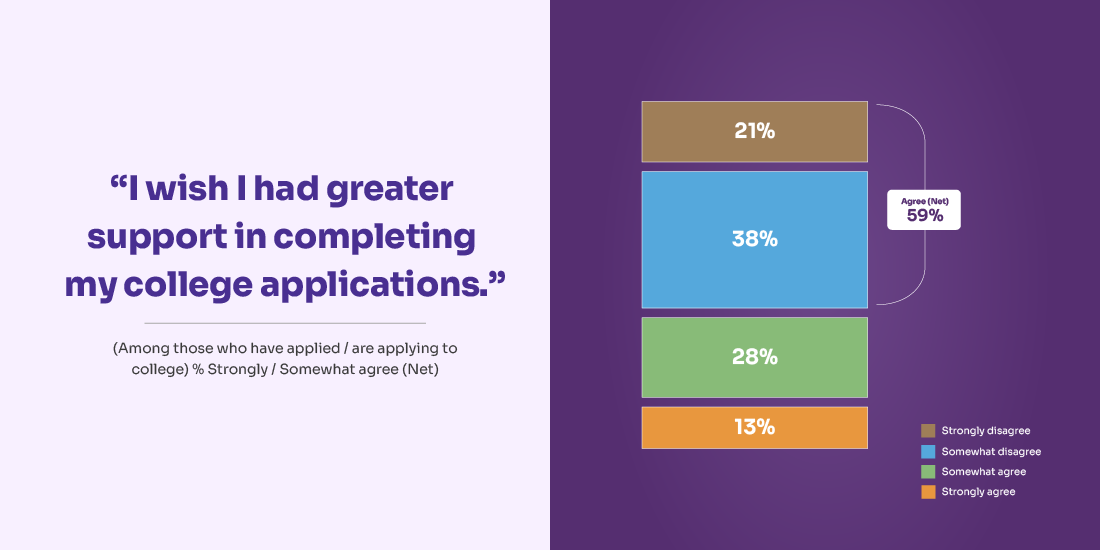
According to the National Association for College Admission Counseling, nearly three in five students wish they had received more support while completing their applications, highlighting the need for a more structured and student-friendly enrollment process.
Eliminate Data Silos
When departments operate independently without sharing information, data silos are created. This can lead to miscommunication, inefficiencies, and missed opportunities to engage students effectively.
To resolve this issue:
- Implement shared platforms accessible to all enrollment stakeholders
- Ensure seamless data flow between departments
- Maintain unified student records
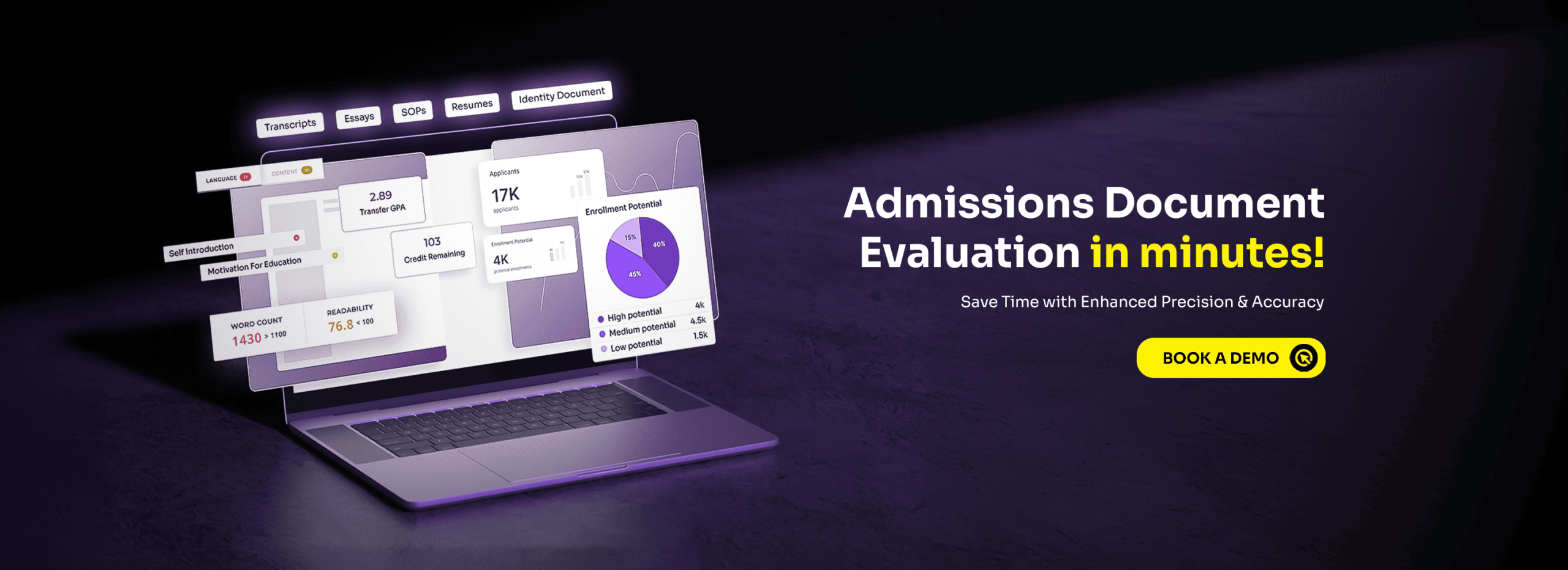
To support this, tools like EDMO Knowledge Source help centralize and streamline data management by securely storing all student documents in one place, using AI-driven extraction to capture key information, and generating instant insights. This improves document visibility, reduces duplication, and allows admissions teams to collaborate efficiently while making faster, data-driven decisions.
Leverage Predictive and Prescriptive Analytics
Advanced analytics can significantly enhance enrollment strategies by providing data-driven insights.
- Predictive analytics helps forecast student behavior, such as the likelihood of enrollment
- Prescriptive analytics suggests actionable steps to improve outcomes
Using these insights, institutions can:
- Identify high-potential prospects
- Improve recruitment strategies
- Optimize marketing campaigns
Institutions that adopt analytics-driven approaches have reported up to a 30% improvement in student retention rates, highlighting the impact of data-informed decision-making.
Implement Pipeline Management Systems
A well-defined pipeline allows institutions to track each student’s progress throughout the enrollment journey.
With pipeline tools, you can:
- Monitor each stage of the enrollment process
- Automate communication and follow-ups
- Ensure all team members can track student progress
This structured approach improves efficiency and ensures no prospective student is overlooked.
Utilize Reporting for Better Decision-Making
Data-driven reporting helps institutions identify strengths and gaps in their enrollment strategies.
Key metrics to track include:
- Prospect-to-applicant conversion rates
- Applicant-to-enrollment yield rates
- Student completion rates
- Enrollment trends by term
By analyzing these insights, institutions can continuously refine their strategies and provide targeted support where needed.
Strengthen Engagement Through Email Campaigns
Email remains one of the most effective channels for engaging prospective students. In fact, up to 77% of students prefer email during their college search process, making it a key tool for communication.
To maximize its impact:
- Use tools that track and record all email interactions
- Ensure communication is accessible to all relevant staff
- Send timely updates about applications, deadlines, and events
A well-managed email strategy ensures consistent communication and keeps students informed and engaged throughout their enrollment journey.
Conclusion
Building a strong prospective student pipeline is essential for sustainable enrollment growth and institutional success. By addressing communication gaps, utilizing data insights, and delivering personalized engagement at every stage, institutions can create a seamless and student-centered recruitment process. A well-managed pipeline not only helps attract the right applicants but also fosters trust and long-term relationships with prospective students.
Frequently Asked Questions
Question 1. Which areas of the enrollment pipeline are most susceptible to student drop-off?
Question 2. How can technology support prospective students?
Question 3. Why is personalized communication important in the enrollment process?
Question 4. How can institutions improve student retention during the early stages?
Written By







No comments yet. Be the first to comment!
Leave a Comment