


Table Of Contents
- 1Introduction
- 2What is Student Satisfaction?
- 3Key Factors Contributing to Student Dissatisfaction in Higher Education
- 4The Importance of Student Satisfaction in Higher Education
- 5Measuring Student Satisfaction in Higher Education: A Structured Approach
- 6Effective Strategies to Enhance Student Satisfaction in Higher Education
- 7Conclusion
Introduction
Student satisfaction is a key measure of success in higher education. It goes beyond grades to reflect how students experience campus life, use support services, and engage with their learning community. High satisfaction levels help improve student retention, academic performance, and an institution’s reputation.
In today’s changing education landscape, colleges and universities need to go beyond traditional teaching and adopt strategies that promote engagement, well-being, and a sense of belonging. This guide highlights practical steps institutions can take to enhance student satisfaction and create a positive learning environment.
What is Student Satisfaction?
Student satisfaction refers to the overall perceptions, feelings, and attitudes that students have toward their educational experience at a higher education institution. It reflects how students evaluate the value they receive based on their interactions with academic programs, campus services, facilities, and institutional support.
Students typically assess their experience through multiple factors, including:
- The teaching quality and effectiveness of professors
- Campus safety and security
- Availability and quality of facilities
- Integration of modern technology in learning
- Access to suitable financial aid
- Overall instructional effectiveness
- Institutional reputation
- Opportunities for personal growth and development
- Academic advising and guidance
By identifying strengths and areas for improvement, universities can design targeted initiatives and strategies to enhance satisfaction. Student satisfaction is closely linked to key educational outcomes. Higher satisfaction levels often lead to improved student retention, increased enrollment, and a stronger institutional reputation.
Key Factors Contributing to Student Dissatisfaction in Higher Education
Understanding the root causes of student dissatisfaction is essential for institutions aiming to improve the overall student experience and retention rates. Below are five major factors that commonly influence how students perceive their academic journey:
Limited Sense of Belonging
Feeling part of the campus community is very important for student happiness and well-being. Many students, especially those from minority, international, or nontraditional backgrounds, often struggle to feel included. Studies show that less than one-third of college students feel they have a strong sense of belonging. First-generation and underrepresented students tend to feel even less connected than others. This lack of connection can affect their overall satisfaction with college life.
Financial Pressure and Affordability Issues
Financial stress remains one of the primary reasons students become dissatisfied or discontinue their studies. The high cost of education makes students more conscious of the return on their investment. If they perceive that the value of their education does not justify the expense, dissatisfaction is likely to increase.
Equity and Inclusion Gaps
Students from underrepresented groups may experience dissatisfaction due to unequal access to resources, lack of representation, or instances of discrimination. The absence of inclusive support systems tailored to diverse student needs can further widen this gap and negatively impact their academic experience.
Insufficient Academic and Personal Support
Access to strong academic and personal support systems is critical for ensuring student success and satisfaction. When institutions fall short in providing services such as tutoring, academic advising, faculty mentorship, or success coaching, students often face academic challenges.
In addition, limited access to essential resources like mental health counseling, childcare, financial aid assistance, and accessibility services can further impact their overall experience. These gaps not only hinder performance but also reduce student engagement and retention. Studies show that 95% of students encounter at least one major barrier to success, with mental health (53%) and financial issues (49%) being the most common concerns.
Concerns with Teaching Quality and Curriculum Relevance
Students expect high-quality teaching and a curriculum that aligns with their career goals. Dissatisfaction often arises when teaching methods are not engaging or fail to support effective learning. Additionally, when course content lacks practical, industry-relevant skills, students may struggle to see its real-world value. This disconnect between academic learning and career application can lead to frustration and reduced motivation.
By addressing these key areas, institutions can create a more supportive, inclusive, and engaging environment that enhances student satisfaction and long-term success.
The Importance of Student Satisfaction in Higher Education
Student satisfaction is a critical factor in determining the overall success of higher education institutions. It not only reflects the quality of education and campus experience but also influences student retention, academic outcomes, and institutional growth.
When students feel supported, valued, and engaged, they are more likely to thrive both academically and personally, making student satisfaction a key priority for universities.
Enhances Institutional Reputation
High levels of student satisfaction lead to positive reviews, word-of-mouth promotion, and strong recommendations. These factors significantly enhance an institution’s public image and credibility. A positive reputation makes it easier to attract prospective students in a competitive education market.
Ensures Financial Sustainability
Student satisfaction directly impacts an institution’s financial stability and long-term growth. When students are happy, they are more likely to continue their education and complete their programs. Additionally, satisfied students often refer others, boosting enrollment numbers.
Improves Academic Outcomes
A supportive and engaging learning environment encourages students to stay focused and perform better academically. Access to quality resources and faculty guidance plays a key role in improving outcomes. Globally, graduation rates average around 61%, but strong academic support can significantly enhance these figures. Institutions that prioritize student satisfaction often see improved academic success rates.
Promotes Student Wellbeing
A positive campus environment contributes to students’ mental and emotional well-being. When institutions provide inclusive and supportive spaces, students experience lower stress levels. Access to counseling and wellness services further strengthens their overall health. This leads to a more balanced and fulfilling student experience. In fact, around 45% of students report that stress negatively impacts their academic performance, often due to academic pressure and ineffective learning environments.
Increases Retention and Graduation Rates
Students who feel valued and supported are more likely to stay enrolled and complete their education. Strong engagement initiatives help reduce dropout rates and improve persistence. Data shows that over 77% of first-year students continue into their second year. This highlights the direct link between satisfaction, retention, and academic completion.
Encourages Personal and Professional Growth
A positive student experience goes beyond academics and supports overall development. Students gain essential life skills such as communication, confidence, and adaptability. These skills are crucial for both personal success and career readiness. Institutions that foster growth prepare students for real-world challenges.
Strengthens Campus Safety and Trust
Creating a safe and secure campus environment builds trust among students. Systems like efficient student sign-in processes and security measures enhance safety. When students feel protected, they are more comfortable engaging in campus activities. This trust contributes to a more positive institutional experience.
Creates Long-Term Value for Institutions
Positive student experiences often translate into strong alumni relationships. Engaged alumni are more likely to contribute through mentorship, networking, and donations. These long-term connections support institutional growth and reputation. Over time, this creates sustained value and success for the institution.
Measuring Student Satisfaction in Higher Education: A Structured Approach
Before improving student satisfaction, institutions need to first understand how satisfied their students currently are and identify areas that need attention. A structured approach to collecting feedback helps ensure that efforts and resources are focused on the right priorities. It also makes it easier to take targeted actions that create real impact. Regular evaluation of these efforts allows institutions to track progress and make necessary improvements over time.
Collect Direct Student Feedback
Gathering feedback through surveys, course evaluations, and student critiques is one of the most effective ways to measure satisfaction. Students provide first-hand insights into their academic and campus experiences, helping institutions identify both strengths and areas for improvement.
- Use structured surveys with rating scales (e.g., from “very dissatisfied” to “very satisfied”)
- Include questions on teaching quality, course structure, and use of technology
- Add open-ended questions to capture detailed suggestions and expectations
Evaluate Teaching Effectiveness
Student satisfaction surveys serve as a valuable tool to evaluate the effectiveness of teaching methods. By analyzing feedback on instructors’ presentation styles, lesson organization, and strategies for engaging students, institutions can identify areas for improvement and enhance overall classroom delivery.
Encourage Student Participation and Reflection
Feedback processes not only support institutional improvement but also benefit students by promoting active involvement in their learning journey. They encourage students to reflect on their academic experiences and express their perspectives. This sense of involvement helps students feel valued and heard within the institution.
Use Feedback for Faculty Performance Review
Student feedback plays a crucial role in evaluating faculty performance and improving teaching quality. By integrating student insights into faculty assessments, institutions can identify and reward educators who deliver impactful learning experiences.
At the same time, it helps highlight areas where professional development is needed. Research indicates that around 80% of students rate their education as good or excellent, underscoring the strong link between teaching quality and student satisfaction. This makes feedback systems an essential tool for continuous academic improvement.
Compare Academic Programs
Analyzing and comparing different programs or courses helps institutions identify best practices. High-performing programs can serve as benchmarks, while underperforming ones can be improved based on insights gained.
Analyze Student Performance Data
Reviewing academic metrics such as grades, progression rates, and course completion data provides a clear indication of how well teaching methods and support systems are working.
Conduct Financial Analysis
Evaluating financial investments allows institutions to determine which areas have the greatest impact on student satisfaction, ensuring efficient allocation of resources.
Assess Faculty Credentials
Reviewing faculty qualifications and expertise ensures that students receive high-quality education and helps identify areas where additional training or hiring may be required.
Effective Strategies to Enhance Student Satisfaction in Higher Education
Higher education institutions can improve student satisfaction by enhancing existing practices and introducing new strategies that create a more engaging learning environment. While it is important to address student expectations, institutions must also ensure that students gain the essential skills and knowledge needed for long-term success.
Introduce Innovative Student-Centric Initiatives
Higher education institutions should introduce innovative, student-focused initiatives to improve engagement and overall well-being. Programs such as mentorship opportunities, mental health support committees, and student-led clubs help create a more inclusive and supportive campus environment. Strong support systems make students feel valued and connected to their institution. A recent survey by TimelyCare found that 73% of students believe mental health services increase their chances of graduating, highlighting their importance.
Promote Inclusion and Diversity
Creating a safe, welcoming, and inclusive campus environment is essential for improving student satisfaction. Institutions should actively support students from diverse and underrepresented backgrounds to reduce discrimination and build a strong sense of belonging. When students feel included, their overall engagement and experience improve significantly. However, studies indicate that nearly one-third of first-year students feel excluded or targeted based on their identity, highlighting the need for stronger inclusion initiatives.
Provide Comprehensive Support Services
Higher education institutions should offer a wide range of support services to meet students’ academic and personal needs. These services play a crucial role in helping students succeed, stay engaged, and maintain overall well-being throughout their academic journey.
Key support services include:
- Mental health counseling
- Academic advising
- Career guidance and placement support
- Tutoring and mentoring programs
- Accessibility services
- Recreational and wellness facilities
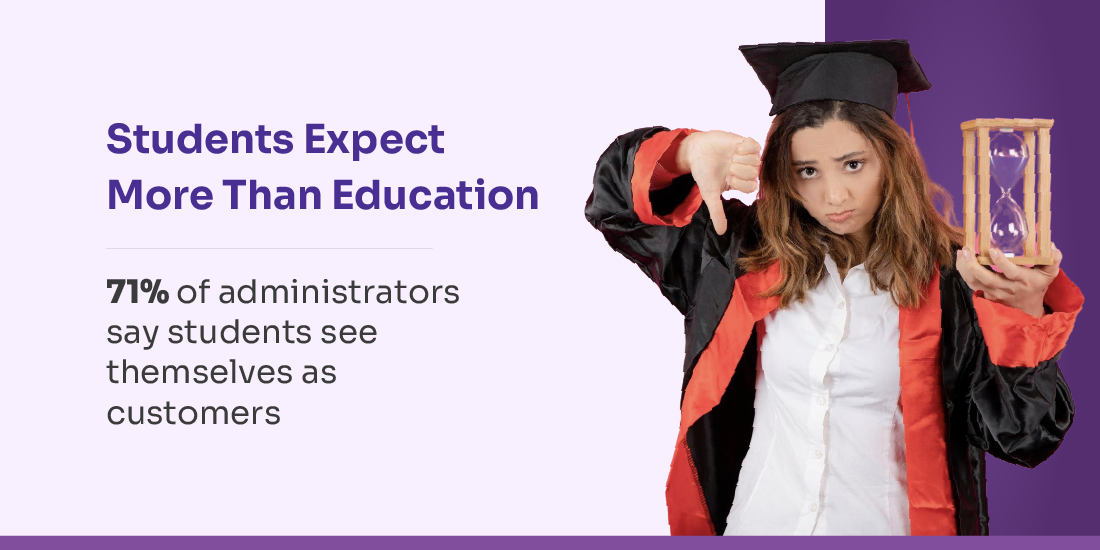
Providing these services ensures a well-rounded student experience, addressing both academic challenges and personal development. Notably, a survey by Inside Higher Ed found that 71% of student success administrators believe undergraduates view themselves as customers, emphasizing the growing expectation for institutions to deliver strong support systems and services.
To further strengthen these services, institutions can leverage tools like EDMO’s Student Copilot, which offers 24/7 student assistance and personalized guidance throughout the enrollment journey. With its omnichannel communication across voice, SMS, and WhatsApp, it ensures students receive instant, consistent support and can easily connect with admission teams, making the entire experience more responsive, accessible, and student-centric.
Improve and Update the Curriculum
Regularly reviewing and updating the curriculum is essential to keep it relevant and effective. Institutions should use student feedback to ensure courses remain engaging and aligned with current industry and career requirements. Teaching methods, assessments, and course structures should be adapted to enhance learning outcomes. A well-designed and updated curriculum helps improve both academic performance and student satisfaction.
Collect and Act on Student Feedback
Collecting student feedback is crucial for understanding their experiences and expectations. Institutions should encourage participation through surveys, interviews, and focus groups. Using both quantitative and qualitative data helps identify gaps and areas for improvement. Acting on this feedback ensures meaningful changes that enhance the overall student experience.
Invest in Technology and Innovation
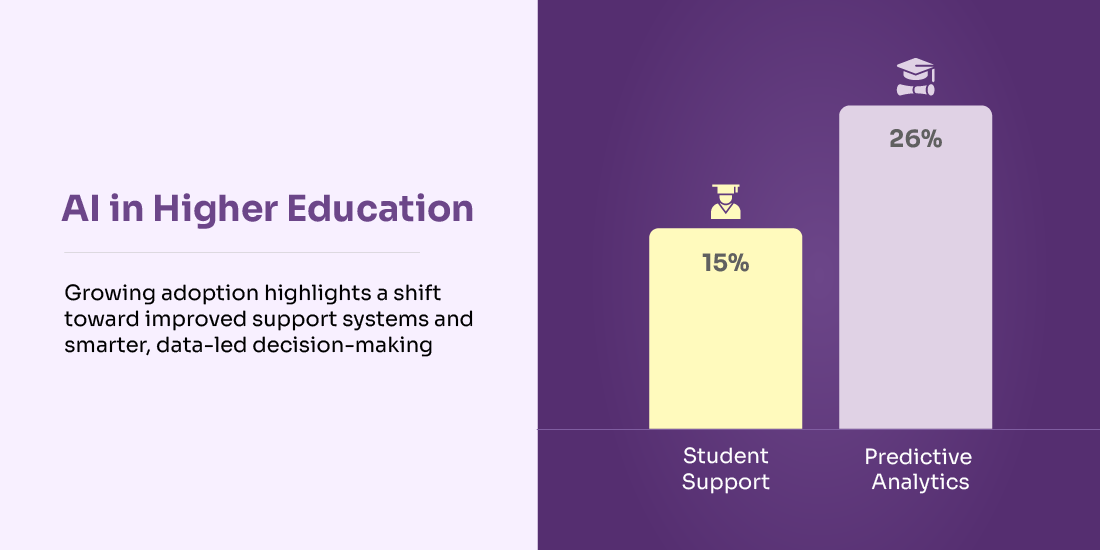
Investing in modern technology is essential to enhance teaching and learning experiences in higher education. Institutions should adopt tools such as virtual learning platforms, advanced lab equipment, and digital resources to make education more interactive and effective. Notably, around 15% of colleges already use AI for student support, while an additional 26% use it for predictive analytics, highlighting its growing role in improving student outcomes.
To further strengthen these efforts, institutions can adopt tools like EDMO’s Advisor Copilot. It provides 24/7 automated student support, instantly answering queries across channels, enabling personalized outreach, and prioritizing leads through smart scoring. This ensures faster responses, higher student engagement, and improved operational efficiency by allowing admissions teams to focus on high-value interactions.
Upgrade Campus Facilities and Amenities
Improving campus infrastructure is essential for creating a positive student experience. Institutions should focus on upgrading study spaces, dining areas, fitness centers, and recreational facilities. Clean, safe, and modern amenities contribute to student comfort and overall well-being. Well-maintained facilities also play a key role in increasing student satisfaction and engagement.
Offer Flexible Learning Options
Providing flexible learning options helps meet the diverse needs of students. Access to digital course materials and online learning platforms allows students to learn at their own pace and convenience. This flexibility reduces stress and improves accessibility to educational resources.
Strengthen the First-Year Experience
Flexible learning options help reduce stress and improve access to educational resources, allowing students to learn at their own pace. Strengthening the first-year experience is equally important, as it plays a key role in student retention and success. Institutions can support new students through orientation programs, mentorship opportunities, and personalized academic planning to help them adjust smoothly. When students feel connected from the beginning, their overall experience improves significantly.
Conclusion
Improving student satisfaction is a continuous process that requires listening, adapting, and innovating. By focusing on inclusive policies, personalized support, modern facilities, and technology-driven learning, institutions can create an environment where students feel valued and empowered. Satisfied students are not only more likely to succeed academically but also become ambassadors for the institution, enhancing its reputation and long-term growth. By prioritizing student experience alongside academic excellence, higher education institutions can ensure both immediate satisfaction and sustainable success for their students and the broader campus community.
Frequently Asked Questions
Question 1. Which factors have the biggest impact on student satisfaction?
Question 2. How to Improve Student Satisfaction?
Question 3. Why Does Student Satisfaction Matter?
Question 4. How Is Student Satisfaction Measured?
Question 5. How can universities improve satisfaction among first-year students?
Question 6. What role does technology play in enhancing student satisfaction?
Question 7. How often should institutions collect feedback to ensure student satisfaction?
Written By


You May Also Like
 AI in Education

 AI in Education
 AI in Education



No comments yet. Be the first to comment!
Leave a Comment