


Table Of Contents
Introduction
Making the right admission decision has become increasingly complex for colleges and universities as applicant pools grow and expectations rise. Admissions teams must balance academic performance, holistic review, and strategic enrollment priorities while ensuring fairness and efficiency. Technology plays a key role in this process, offering tools that streamline application management, enhance communication with prospective students, and provide data-driven insights to guide decision-making. By leveraging these platforms, institutions can improve efficiency, maintain consistency, and make smarter admissions decisions.
Key Factors Influencing Admissions Decisions
Admissions decisions are influenced by a combination of academic performance, personal attributes, institutional priorities, and strategic enrollment goals. Colleges and universities evaluate applicants holistically to ensure the right fit between students and programs.
Academic Performance
Academic achievement remains the primary foundation of admissions decisions. Institutions carefully evaluate cumulative GPA, consistency in grade trends, subject performance, and the rigor of coursework. Strong academic preparation demonstrates a student’s readiness to succeed in college-level study.
Standardized Test Scores
Although many institutions have adopted test-optional or test-blind policies, standardized exams such as the SAT or ACT may still play a role in certain cases. Test scores can support academic readiness evaluation, strengthen borderline applications, or qualify students for merit-based scholarships.
Holistic Applicant Review
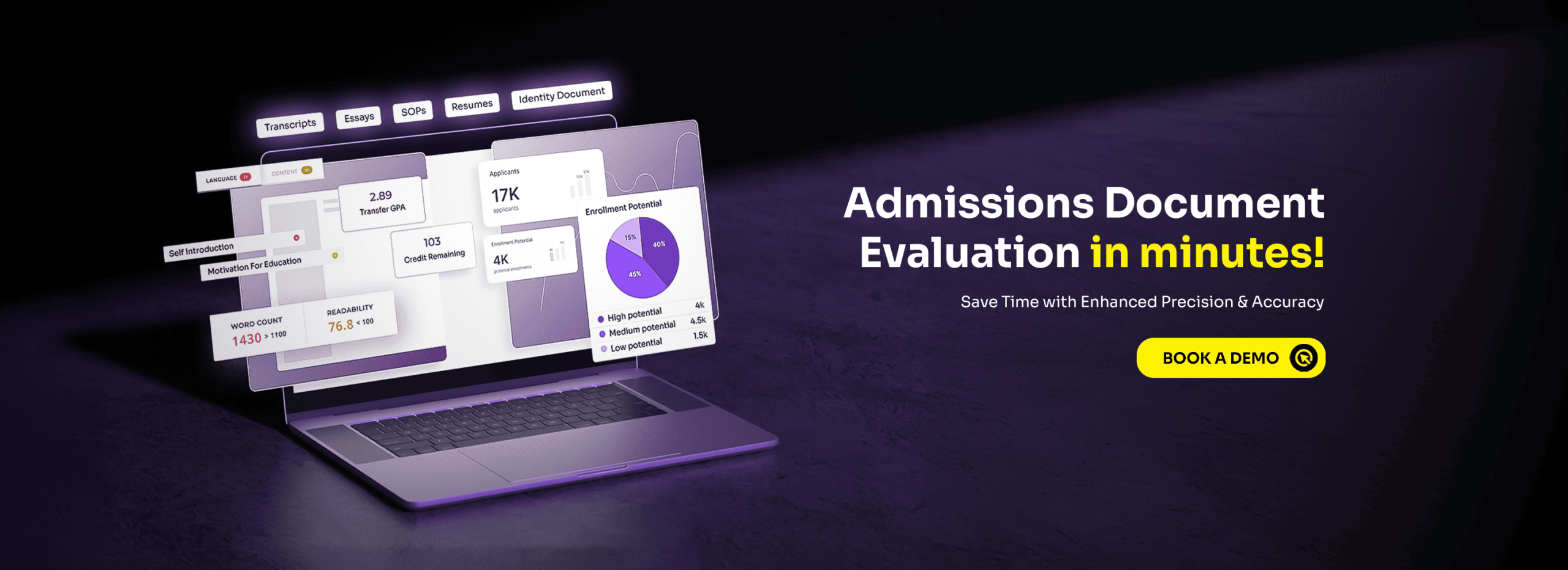
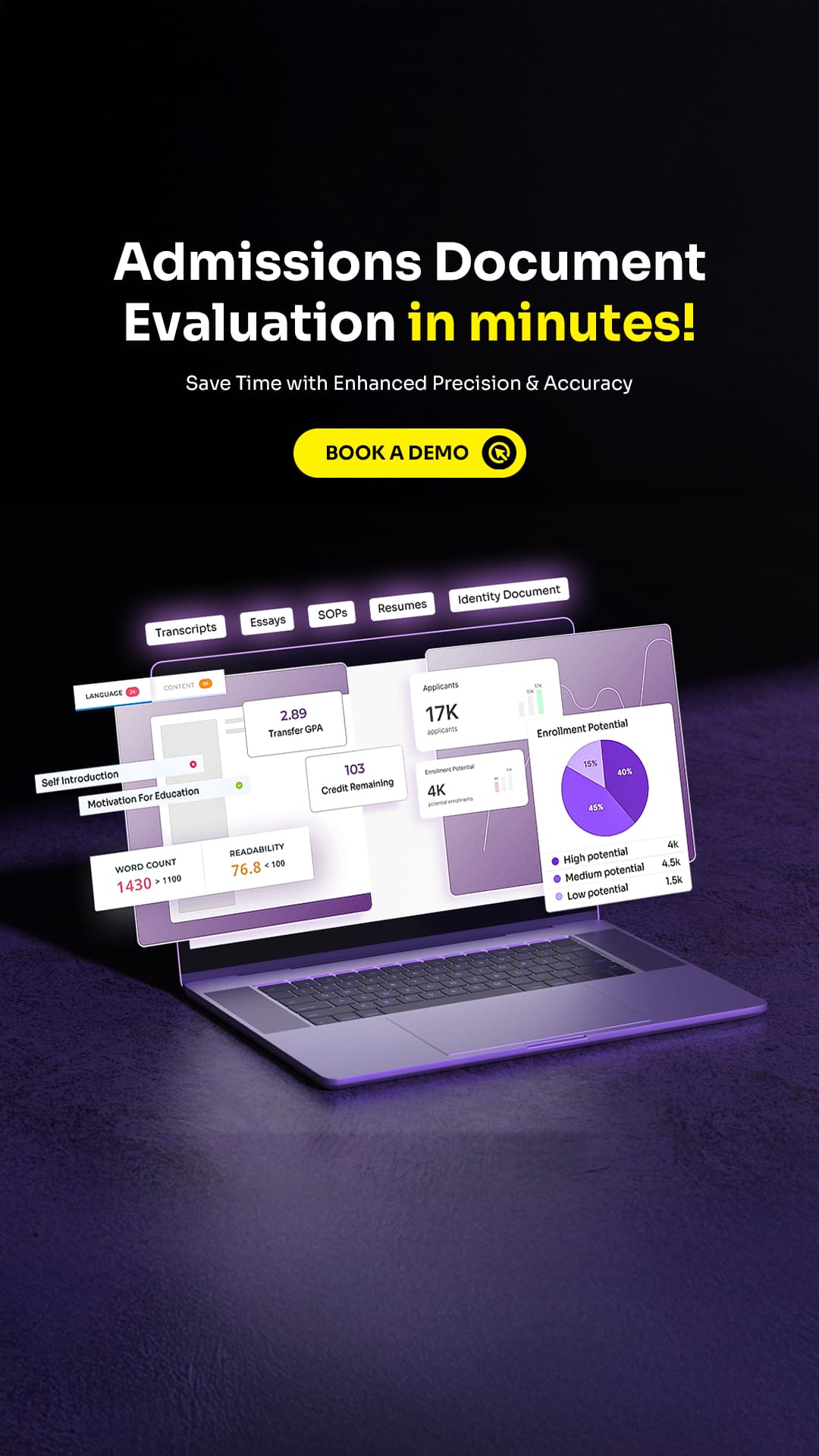
Admissions teams evaluate applicants beyond academics by reviewing essays, recommendation letters, extracurriculars, leadership roles, community service, internships, and work experience to assess character, motivation, resilience, and potential campus contribution. Virginia Tech is now using an AI-powered essay reader to efficiently sort tens of thousands of applications, helping students receive decisions faster. EDMO Application Evaluator takes this further by providing AI-powered document analysis, instantly reviewing SOPs, LORs, transcripts, and resumes. It highlights applicant strengths, identifies key patterns, reduces human error, and generates insightful reports to support fairer, data-driven admissions decisions.
Institutional Priorities and Strategic Enrollment Goals
Admissions decisions are also influenced by institutional strategy. Colleges consider factors such as program capacity, enrollment targets, diversity and inclusion objectives, geographic distribution, and growth areas in high-demand majors. These priorities help institutions shape a balanced and sustainable incoming class.
Demonstrated Interest and Student Engagement
Many institutions track engagement indicators throughout the recruitment process. Campus visits, participation in virtual events, email responsiveness, chatbot interactions, and early application submissions can signal genuine interest. Higher demonstrated interest may positively influence admissions and yield decisions.

Program Fit and Academic Alignment
Admissions committees assess how well an applicant’s academic background, interests, and career aspirations align with their chosen major or program. A strong academic and professional fit increases the likelihood of student retention, satisfaction, and graduation success.
Financial Readiness and Aid Considerations
Financial factors may affect admissions and enrollment outcomes, particularly at tuition-dependent institutions. Admissions offices evaluate financial aid eligibility, scholarship qualifications, and overall affordability to determine the likelihood of enrollment and long-term persistence.
Transfer Evaluation and Prior Academic Record
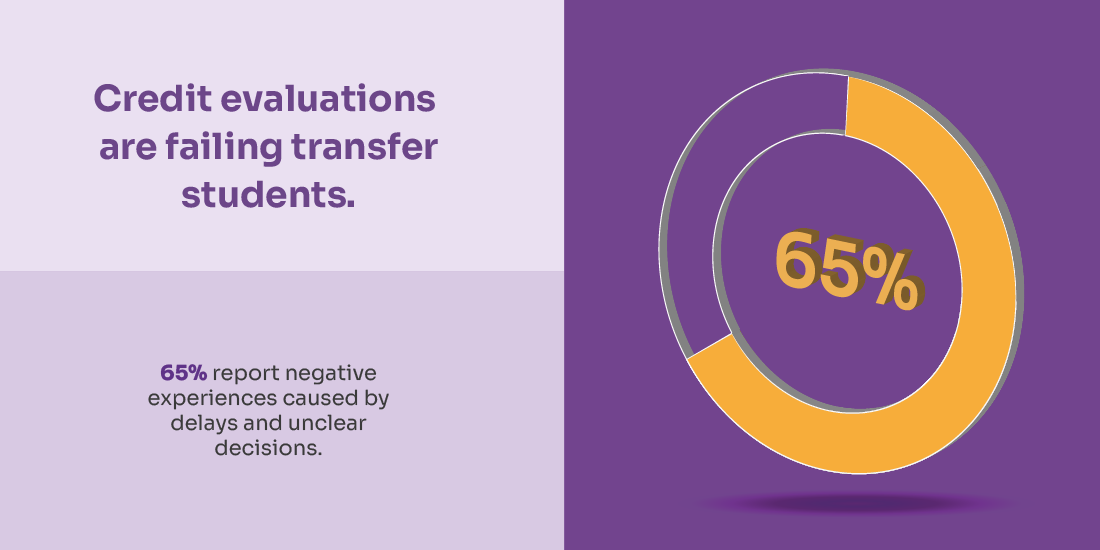
Transfer applicants go through a detailed review of their previous college coursework, including GPA, credit eligibility, and course equivalencies. The goal is to ensure a smooth transition while minimizing credit loss. However, nearly 65% of transfer students report negative experiences during the credit evaluation process, often due to delays or unclear decisions. EDMO’s Transfer Credit Evaluator helps solve this by automating transcript analysis and speeding up evaluations. It enables faster processing, instant credit mapping, and clears transcript backlogs quickly for more efficient transfer decisions.
Advanced Tools Powering Modern Admissions Decisions
Technology now plays a vital role in modern enrollment management. From CRM systems and automation tools to AI-driven engagement solutions and digital application review platforms, institutions depend on advanced systems to make faster, smarter, and more data-informed admissions decisions. Below are some of the leading tools that help institutions enhance their admissions decision-making process.
EDMO
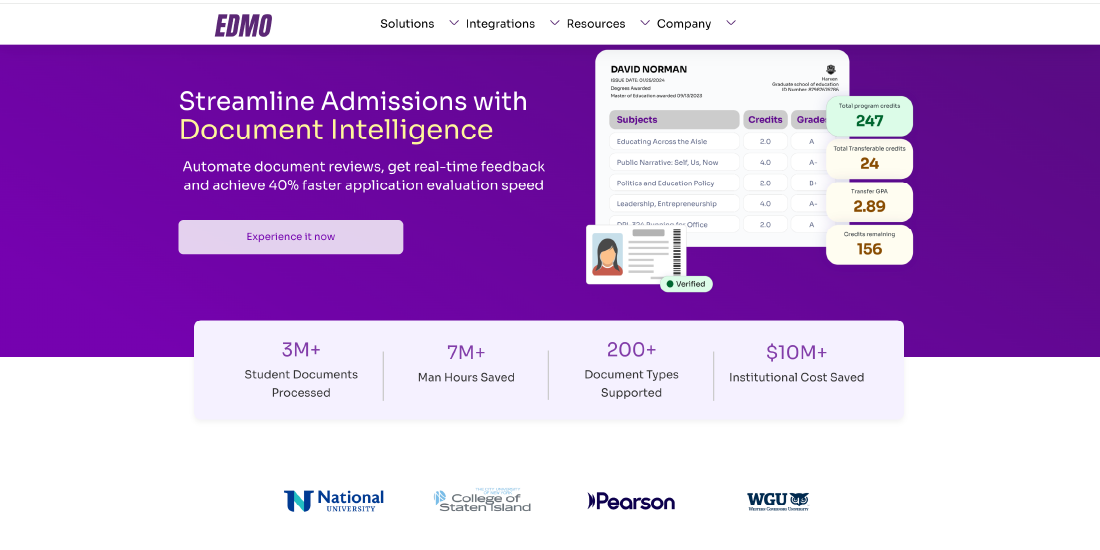
EDMO is an enrollment management plugin designed to integrate with existing CRM and admissions systems in higher education institutions. It helps admissions teams streamline recruitment workflows, organize prospect data, and improve outreach efficiency.
Key Features:
- Predictive modeling to assess enrollment probability
- Lead scoring and audience segmentation
- Enrollment forecasting dashboards
- Data-driven recruitment optimization tools
Slate by Technolutions
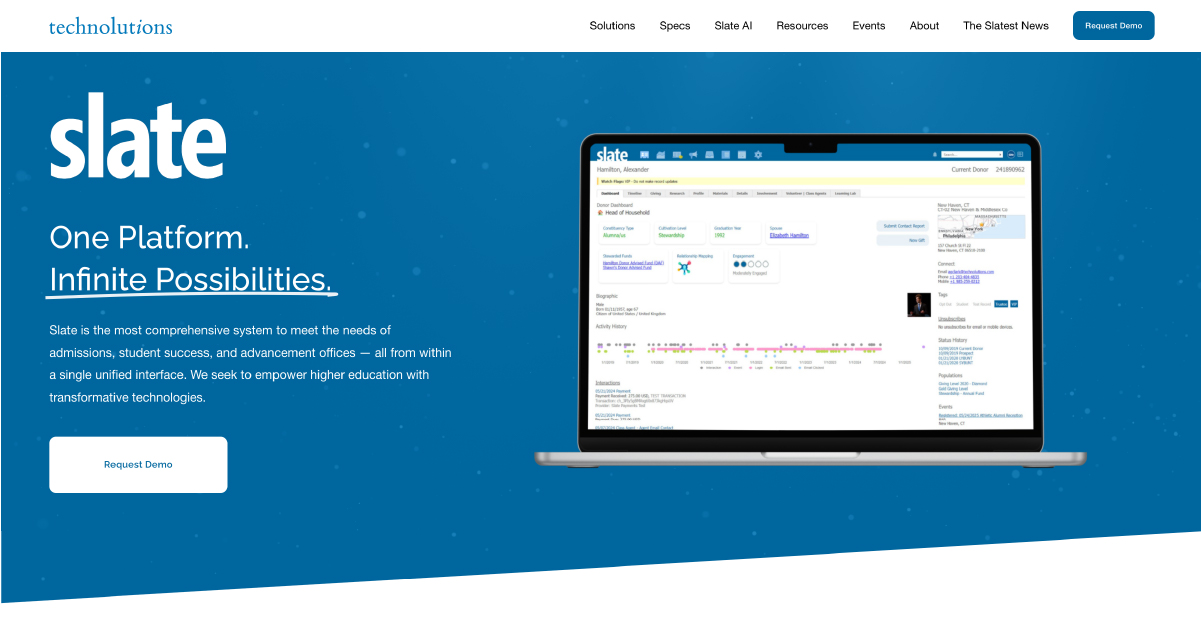
Slate is a comprehensive admissions CRM widely adopted by colleges and universities. It centralizes recruitment, application management, and communication workflows into one integrated system. When combined with tools like EDMO, institutions can further enhance data visibility, optimize lead management, and improve recruitment performance within the Slate environment.
Key Features:
- Application and document processing
- Automated email and communication campaigns
- Event management and interview scheduling
- Real-time admissions and yield reporting
Salesforce Education Cloud
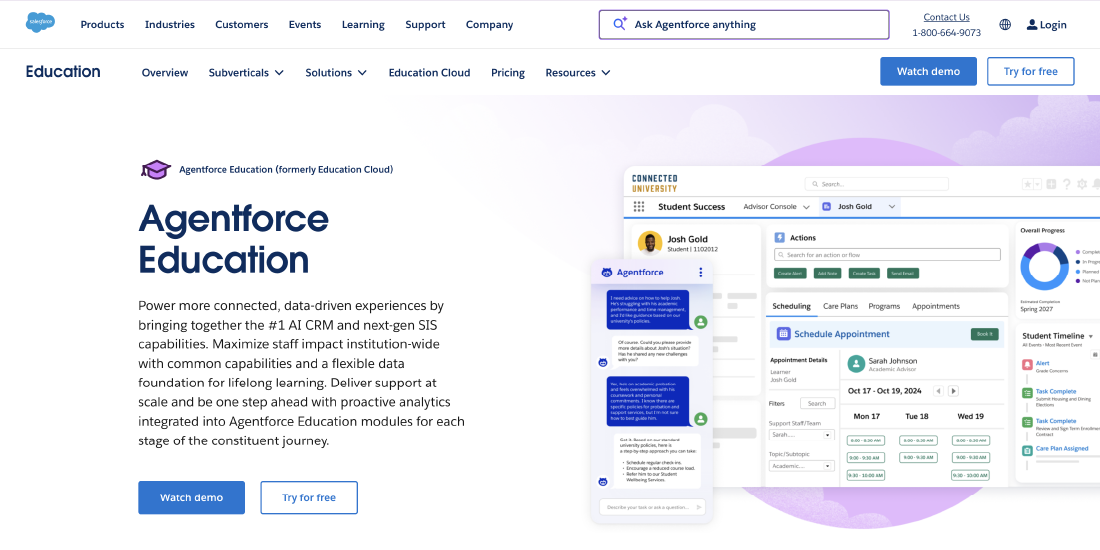
Salesforce Education Cloud supports the full student lifecycle from recruitment to alumni engagement, using AI and automation. It centralizes student data and improves personalized communication. When integrated with EDMO, institutions can further streamline recruitment workflows and enhance operational efficiency. Together, they help admissions teams make smarter, data-informed enrollment decisions.
Key Features:
- AI-powered enrollment and engagement insights
- Workflow automation for personalized student journeys
- Multi-channel communication tools
- Advanced analytics and customizable dashboards
Ellucian CRM Recruit
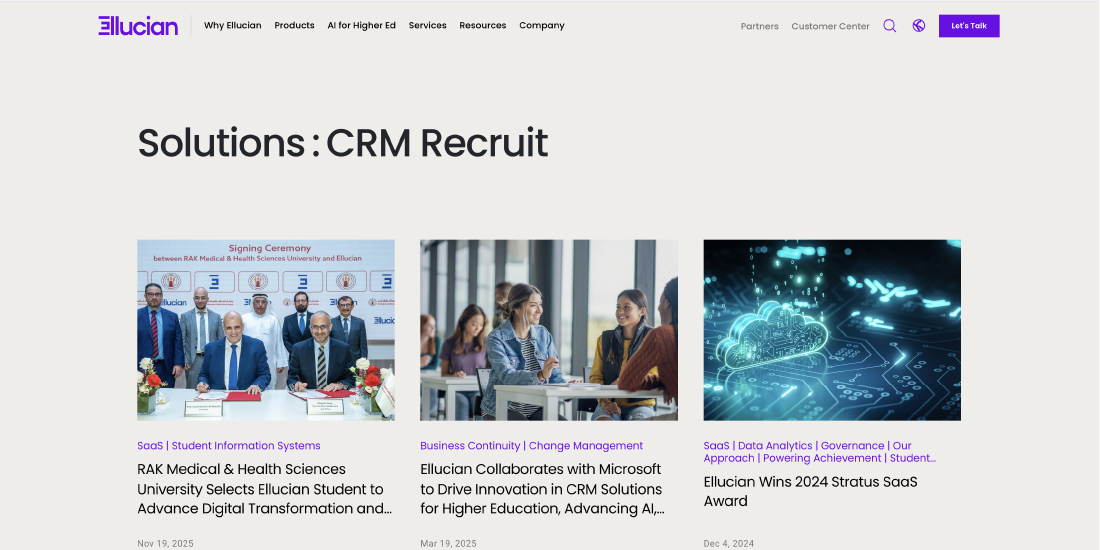
Ellucian CRM Recruit integrates recruitment and admissions processes into a unified system. It enhances cross-departmental visibility and improves data-driven decision-making.
Key Features:
- Prospect tracking and lead management
- Automated admissions workflows
- Integrated reporting and analytics
- Communication and engagement tracking
TargetX
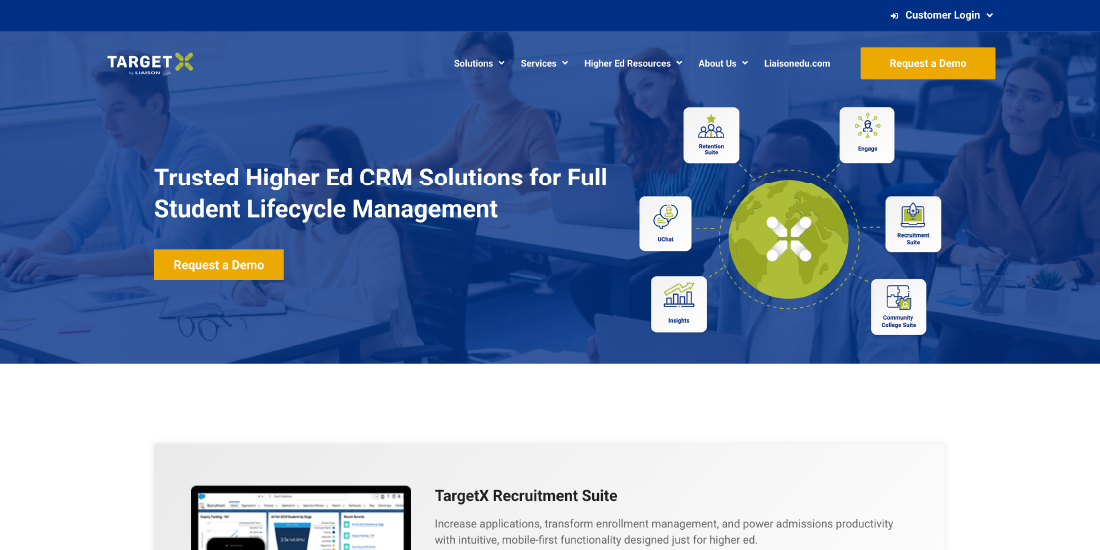
TargetX focuses on relationship-driven recruitment and student engagement. Built on Salesforce architecture, it helps institutions deliver personalized outreach strategies.
Key Features:
- Recruitment CRM functionality
- Campaign and event management tools
- Email and SMS automation
- Engagement and conversion analytics
CampusNexus (Campus Management)
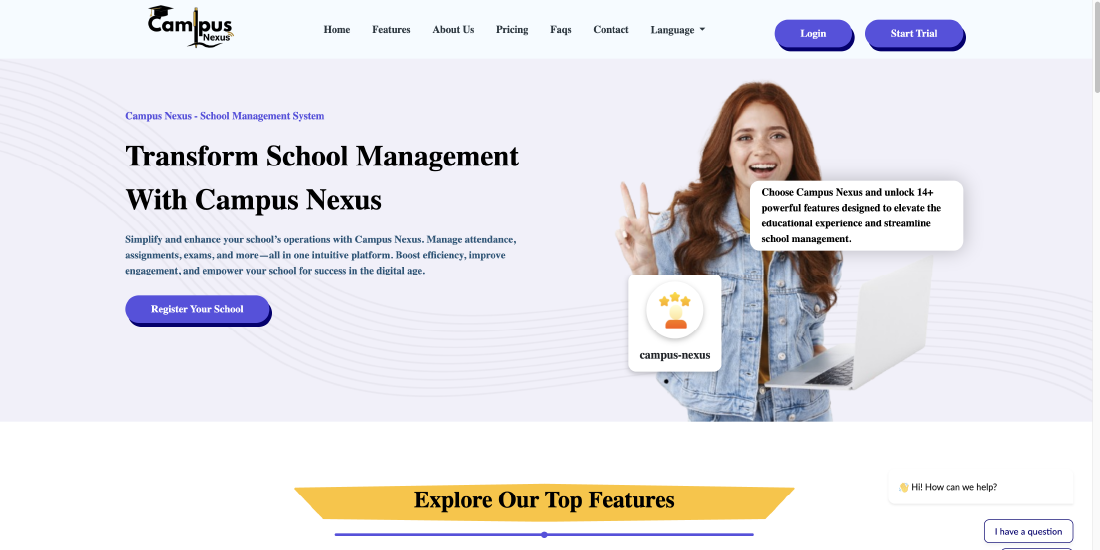
CampusNexus provides an integrated student lifecycle management solution. It supports recruitment, admissions, retention, and academic progression within one platform.
Key Features:
- Centralized admissions workflow management
- Real-time reporting and data visualization
- Student lifecycle tracking
- Enrollment planning and performance analytics
Element451
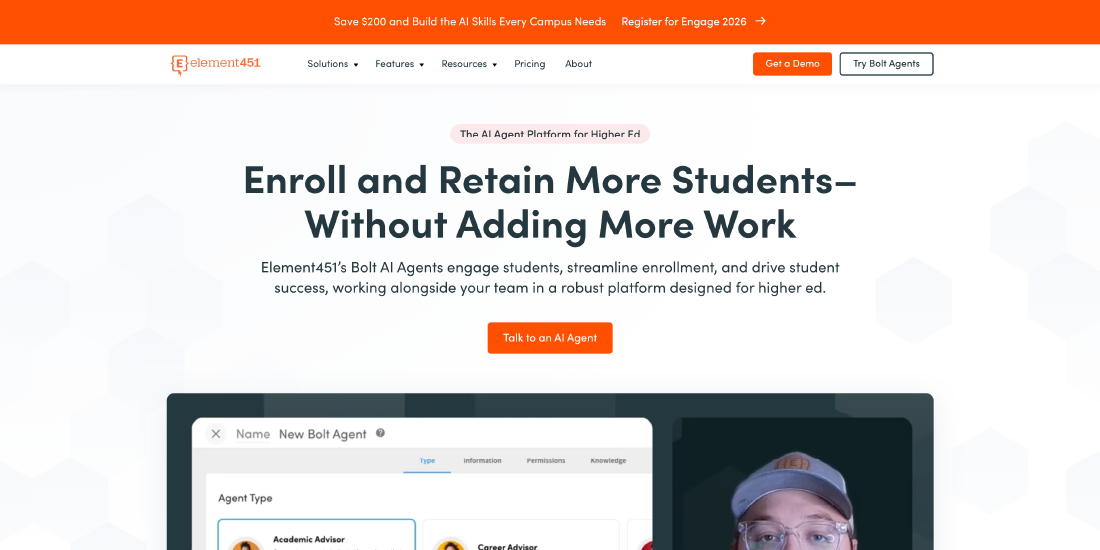
Element451 combines CRM capabilities, marketing automation, and AI chatbots to enhance student communication and recruitment efficiency.
Key Features:
- AI-powered chatbot engagement
- Marketing automation campaigns
- Application funnel analytics
- Behavioral tracking and intent analysis
Conclusion
Modern admissions decisions are no longer based solely on academic metrics. With the help of advanced tools and technology, institutions can streamline workflows, improve accuracy, and gain actionable insights into prospective students. These platforms empower admissions teams to personalize engagement, prioritize high-potential applicants, and make data-driven decisions that align with institutional goals. By adopting these solutions, colleges and universities can enhance efficiency, reduce human error, and ensure a fairer, more strategic admissions process.
Frequently Asked Questions
Question 1. What is an admissions application?
Question 2. What are the most effective tools for admissions officers to recruit students to a university?
Question 3. How can an admissions tool help my institution?
Question 4. How does AI improve the admissions process?
Question 5. Can these tools support transfer and international students?
Written By


You May Also Like
 AI in Education

 AI in Education
 AI in Education
No comments yet. Be the first to comment!
Leave a Comment