
Table Of Contents
Introduction
Higher ed enrollment management is becoming more complex as universities face rising application numbers, changing student expectations, and tighter timelines. To stay efficient and competitive, institutions are adopting smarter tools and data-driven strategies that help them review applications faster, personalize communication, and improve overall decision-making.
For example, Virginia Tech, which now receives 57,000+ applications, introduced an AI-assisted essay review system that scans 250,000 essays in under an hour, saving the admissions team over 8,000 hours of manual work.
Key Benefits of Higher Ed Enrollment Management
Modern higher ed enrollment management tools such as advanced CRMs and specialized platforms give institutions the ability to analyze student data, automate workflows, and streamline the entire admissions process. These solutions not only improve operational efficiency but also enhance an institution’s reputation, support better decision-making, and ultimately strengthen student retention over time.
Real-time access to student data
Institutions can instantly view key details such as demographics, contact information, enrollment status, and financial aid updates, enabling faster and more informed decision-making. Studies show that nearly 25% of institutions using real-time integrated platforms reported higher levels of student satisfaction.
Live insights into enrollment trends
These platforms provide ongoing analysis of factors influencing admissions, allowing universities to understand student behavior and deliver a more personalized application experience.
Improved personalized marketing
With targeted communication tools, institutions can deliver tailored messages to prospective students, leading to higher engagement and stronger application-to-enrollment conversion rates. Colleges using CRM-driven personalization, behavior-based segmentation, and targeted outreach have reported enrollment growth of 10–15%.
Early identification of risks
Advanced analytics help detect red flags such as declining engagement or incomplete applications early on, empowering teams to intervene proactively, minimize enrollment gaps, and prevent potential student churn.
Effective Strategies for Higher Ed Enrollment Management
Implementing best practices in higher ed enrollment management helps institutions attract, admit, and retain students more efficiently. By combining data-driven decision-making, personalized communication, and streamlined workflows, universities can improve recruitment outcomes, enhance the student experience, and achieve long-term enrollment goals.
Leveraging Data Analytics for Strategic Enrollment Management
In today’s competitive higher education environment, depending only on intuition or past trends is not sufficient. Data-driven enrollment forecasting provides a clear, evidence-based approach, helping institutions make informed decisions. By analyzing historical data, applying predictive analytics, and using statistical models, universities can anticipate enrollment trends, identify at-risk students, and optimize recruitment strategies. This approach not only supports realistic target-setting and efficient resource allocation but also reduces administrative workload by up to 30–40%, allowing staff to focus more on advising and student engagement.
Why It’s Crucial
The key advantage of this approach is precision. Institutions that embrace data analytics move beyond broad, generalized recruitment efforts toward highly targeted, personalized outreach. This ensures that marketing and recruitment resources are efficiently directed toward prospects most likely to enroll and succeed. Additionally, it enables early interventions for students at risk of “summer melt” or attrition.
Success Example: Georgia State University used data analytics to identify at-risk admitted students and deployed a chatbot to address their questions over the summer. This intervention reduced summer melt by 21%, ensuring a higher number of students successfully matriculated.

Steps to Implement Data-Driven Enrollment Forecasting
- Ensure Data Integrity: Standardize and clean data collection processes across departments, including admissions, financial aid, and registrar offices. Accurate data is essential for reliable analysis.
- Invest in Tools and Training: Provide staff with analytics platforms such as Tableau and offer professional development to interpret and use data effectively.
- Focus on Core Metrics: Begin with fundamental metrics like inquiry-to-application conversion rates, program-specific yield, and enrollment by geographic region. Avoid overcomplicating predictive models at the start.
- Continuously Validate and Refine Models: Regularly compare predictive outcomes with actual results and adjust algorithms to enhance accuracy.
- Promote Cross-Department Collaboration: Break down data silos by creating protocols for sharing information between admissions, marketing, financial aid, and student success teams. This builds a holistic view of the student journey.
A powerful addition to this strategy is EDMO’s Application Evaluator, which analyzes SOPs, LORs, transcripts, and other documents instantly. It provides actionable insights to support intelligent and fast enrollment decisions, helping institutions evaluate applicants more accurately and efficiently.
Leveraging Integrated CRM Systems for Effective Enrollment Management
Managing prospective students with spreadsheets and disconnected emails is inefficient. Modern higher ed enrollment management uses integrated CRM systems a central platform that tracks every interaction from initial inquiry to final enrollment. By consolidating data, automating personalized communication, and providing a clear view of engagement, CRMs make the process faster, more organized, and personalized. Research by Salesforce shows that institutions using CRM systems saw a 14% increase in application completion rates, highlighting their impact on enrollment efficiency.
Why Integrated CRMs Are Essential
The main advantage of a CRM is personalization at scale. These systems enable institutions to deliver the right message to the right student at the right time, making each prospect feel valued and engaged. CRM insights also reveal which recruitment channels and strategies are most effective, allowing continuous optimization of the enrollment process. By improving engagement and conversion rates, CRMs have become a cornerstone of modern enrollment management.
Steps to Implement an Integrated CRM
Successfully adopting a CRM involves strategic planning, operational changes, and staff engagement. Key implementation steps include:
- Map Existing Processes: Document current enrollment workflows, from lead capture to matriculation. This helps identify pain points and clarifies what functionality your CRM must support.
- Invest in Training: Provide comprehensive, role-specific training to ensure all staff understand the system’s capabilities and follow best practices for data management and communication.
- Establish Data Governance: Implement strict policies for data entry, management, and hygiene. Standardize fields, define user permissions, and schedule regular audits to maintain data accuracy.
- Automate with Purpose: Begin with simple, high-impact automation workflows to reduce manual tasks, improve lead nurturing, and ensure timely communication.
- Create Standardized Templates: Build a library of approved, on-brand communication templates for emails, text messages, and portal notifications. Use dynamic content fields to personalize messaging while maintaining consistency.
Strategic Enrollment Planning (SEP) for Sustainable Student Success
Strategic Enrollment Planning (SEP) goes beyond isolated functions like admissions or financial aid to create a comprehensive, institution-wide framework for shaping the student body. SEP aligns enrollment goals with the university’s mission, academic capacity, and long-term financial sustainability. Unlike traditional recruitment, which often prioritizes short-term numbers, SEP integrates efforts across academic affairs, institutional research, marketing, and student services to ensure a balanced and sustainable approach.
Why Strategic Enrollment Planning Matters
The main advantage of Strategic Enrollment Planning (SEP) is alignment. It ensures that recruitment goals match academic capacity, financial aid supports diversity and access, and marketing accurately reflects the institution’s identity. This coordinated approach creates a predictable, sustainable enrollment model that can adapt to changing conditions. A recent survey of graduate enrollment management professionals found that nearly one-third missed their fall 2024 headcount goals, 23% fell short of net tuition revenue targets, and 34% were uncertain about their outcomes.
Steps to Implement Strategic Enrollment Planning
Creating an effective SEP requires a long-term, institution-wide commitment. Key steps include:
- Establish a Governance Structure: Form an SEP council or committee co-chaired by senior leaders from both academic and administrative divisions. Ensure strong support from the president and board for authority and accountability.
- Conduct Environmental Scans and Market Analysis: Regularly analyze external trends such as demographic shifts, competitor strategies, and workforce demands to set realistic enrollment goals and identify opportunities.
- Define Shared Metrics and Accountability: Develop key performance indicators (KPIs) shared across departments, such as net tuition revenue per student, student-to-faculty ratios, and program-specific retention rates, with clear accountability assigned.
- Develop Scenario Plans: Create multiple projections—best-case, expected, and worst-case enrollment outcomes—to guide budgeting and resource planning with flexibility.
- Build an Integrated Action Plan: Design a final plan with specific, measurable, and time-bound goals. Assign actionable items to relevant departments to ensure accountability and progress toward enrollment objectives.
Yield Management and Revenue Optimization in Enrollment Strategy
Modern higher ed enrollment management is more than just filling seats. It involves a strategic approach that balances student enrollment with net tuition revenue. Yield management and revenue optimization use data to align admissions offers, financial aid, and scholarship distribution with institutional objectives. By evaluating factors such as applicant price sensitivity, competitor aid strategies, and student financial need, institutions can create aid packages that increase enrollment likelihood while avoiding excessive tuition discounts, supporting long-term financial sustainability.
Why Yield Management Is Essential
With declining public funding and rising operational costs, maximizing net tuition revenue is essential to support academic programs, faculty, and student success initiatives. According to U.S. News data for the 2025–2026 school year, tuition and fees at private ranked colleges increased by about 3.3%, while ranked public schools reported a rise of 3.3% for in-state students and 3.7% for out-of-state students, highlighting the growing financial pressures on higher education institutions.
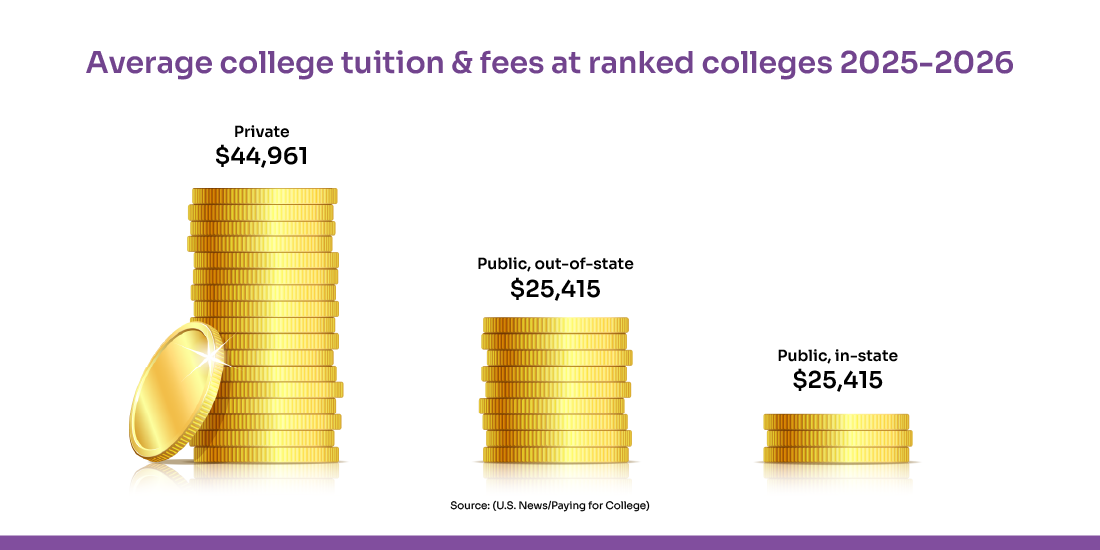
Source: U.S News
Steps to Implement Yield Management and Revenue Optimization
Implementing this approach requires using data to guide decisions and being open to updating traditional financial aid strategies. Key steps include:
- Align Revenue with Mission: Clearly define institutional priorities. Financial aid strategies should support access, equity, and diversity while maintaining financial health. A purely revenue-focused approach may undermine institutional mission and reputation.
- Use A/B Testing for Aid Strategies: Test variations of award structures, naming conventions, and communication approaches with small applicant segments before rolling out changes broadly. This helps identify the most effective strategies.
- Monitor Competitor Practices: Regularly analyze the financial aid and pricing strategies of peer institutions to position your offers competitively yet responsibly.
- Implement Incremental Changes: Avoid sudden, large shifts in discount rates or aid philosophies. Gradual adjustments allow institutions to measure impact, manage internal expectations, and maintain trust with students and families.
- Ensure Transparency in Communication: While financial models may be complex, communication with students should be clear and honest. Families must understand the value of aid packages and the institution’s overall proposition.
Multi-Channel Digital Marketing and Recruitment for Higher Education
In today’s higher education environment, the student journey starts well before an application is submitted. Traditional, isolated marketing methods are no longer sufficient. Multi-channel digital marketing and recruitment take a holistic approach, using a coordinated mix of online platforms to engage prospective students at every stage of their digital journey. Modern students interact with colleges across multiple digital touchpoints from Google searches to TikTok videos each offering an opportunity to build connection and trust. A 2025 industry review found that 87% of students start their research online, highlighting the need for a strong and active digital presence.
Why This Practice Is Essential
The key benefits of a multi-channel approach are reach and relevance. By meeting students on the platforms they prefer, with content suited to their stage in the decision-making process, institutions can build consistent brand recognition, nurture prospects effectively, and maintain a presence throughout a student’s long and often complex college search journey.
Steps to Implement Multi-Channel Digital Marketing
Creating an effective, integrated digital marketing strategy requires planning, execution, and ongoing optimization. Key steps include:
- Develop Platform-Specific Content: Avoid cross-posting the same content. Produce content tailored to each platform, such as Instagram Stories for campus life, SEO-driven blog posts, professional content on LinkedIn for graduate programs, and short, engaging TikTok videos.
- Implement Tracking and Retargeting: Use tracking pixels (like Meta Pixel or Google Tag) to monitor website engagement. Retargeting ads can remind students of deadlines or program highlights as they browse other sites.
- Leverage Video and Authentic Voices: Video content—virtual campus tours, student testimonials, and day-in-the-life vlogs—resonates strongly. Empower student ambassadors to create authentic content for peer-to-peer impact.
- Optimize for Search Intent: Ensure that program pages, admissions information, and financial aid resources are optimized for relevant keywords to capture organic search traffic effectively.
- Master Paid Social Advertising: Go beyond basic boosted posts by understanding the strengths of each ad platform. For example, Facebook Lead Generation Ads let institutions collect prospective student information directly on the platform, making it easier to convert leads. According to the 2025 EETR, 56% of high school students use social media early in their college search, often before visiting a school’s website or campus.

Source: Foundationinc
Integrating Student Success and Retention into Enrollment Management
Effective enrollment management doesn’t end once students matriculate; it extends throughout the entire student lifecycle. Integrating student success and retention into enrollment strategies is a holistic approach that treats enrollment as an ongoing process rather than a one-time event. Recruiting students is only half the challenge—the other half is ensuring they have the support, resources, and engagement needed to persist, excel, and graduate.
Why This Practice Is Essential
Focusing on student success and retention is key to long-term sustainability. Retaining current students is much more cost-effective than constantly recruiting new ones. By supporting student achievement, institutions can improve graduation rates, strengthen their reputation, and build a more engaged alumni network. This approach shifts the focus from just filling seats to delivering on the promises made during recruitment. Colleges that provide strong support services such as advising, tutoring, and holistic engagement often see retention and persistence rates increase by 3–6 percentage points.
Steps to Implement Student Success Integration
Building a student-centered, retention-focused enrollment strategy requires institution-wide commitment. Key steps include:
- Establish Early Alert Systems: Use technology and processes to identify students at risk of academic or social disengagement. Flags for low grades, poor attendance, or limited campus involvement can trigger proactive outreach from advisors or support staff.
- Create Seamless Transitions: Ensure smooth handoffs from admissions to academic advisors and first-year experience programs. Share insights collected during recruitment to give advisors a comprehensive understanding of incoming students.
- Leverage Data for Targeted Interventions: Use predictive analytics to identify not only which students are at risk, but also why. Tailor interventions such as financial counseling, tutoring, or mental health support to address specific needs.
- Train Faculty and Staff: Provide professional development across all departments to highlight the role every stakeholder plays in student success. Each interaction can influence a student’s decision to persist.
- Bridge Departmental Silos: Form a cross-functional student success committee with representatives from admissions, financial aid, the registrar, and student affairs. Regularly review retention data and coordinate interventions to maximize student outcomes.
By integrating student success and retention into enrollment management, institutions create a more sustainable, student-focused model that strengthens both educational outcomes and long-term institutional stability.
Personalized Communication Strategies to Enhance Student Engagement
In today’s competitive higher education environment, generic emails and mass messages no longer capture student attention. Personalized communication delivers content tailored to a student’s interests, behavior, or profile, such as intended major or location. Using this data, institutions can create individualized communication flows that make students feel valued. This approach enhances engagement and positively shapes a prospect’s perception of the school. Studies show that personalized messaging can increase response and engagement rates by up to 29%.
Why Personalized Engagement Matters
The primary benefit of personalized communication is resonance. Tailored messages cut through the noise, making prospective students feel seen and understood. This builds an emotional connection, fosters a sense of belonging before campus arrival, and signals that the institution is attentive to their individual academic and personal journey.
Steps to Implement Personalized Communication
Successfully adopting this approach requires a shift from broadcasting messages to creating meaningful conversations. Key steps include:
- Segment Your Audience: Group prospects by logical categories such as intended major, geographic region, or application stage (inquiry vs. applicant).
- Build a Content Library: Develop a repository of assets, including student testimonials, program-specific fact sheets, faculty spotlights, and videos. Tag content so it can be dynamically delivered based on a prospect’s profile.
- Use Progressive Profiling: Collect data gradually through short forms and interactive content, making the process feel natural and less intrusive while building a detailed understanding of each prospect.
- A/B Test Communications: Continuously experiment with subject lines, calls-to-action, send times, and content variations to determine what resonates best with different audience segments. Refine strategies based on results.
- Honor Communication Preferences: Provide students with clear options to manage how and how often they receive messages. Respecting preferences builds trust and reduces opt-outs.
By implementing personalized communication strategies, institutions can strengthen engagement, improve recruitment outcomes, and create a more student-centered enrollment experience. EDMO (Education in Motion) enhances this process by turning every student interaction into actionable insights, helping teams deliver communication that truly connects.
Conclusion
Effective enrollment management in higher ed today goes far beyond simply attracting students. It demands a strategic, data-driven, and student-centered approach. By using powerful enrollment management solutions for higher ed such as CRM systems, data analytics, multi-channel marketing, yield strategies, and personalized communication, institutions can strengthen recruitment, boost retention, and maintain financial stability. These practices help universities make smarter decisions, better engage students, and build a flexible, sustainable enrollment model for long-term success.
Frequently Asked Questions
Question 1. What are the best tools and software for enrollment management?
Question 2. What features should you look for in enrollment management software?
Question 3. What are the uses of an enrollment management system?
Question 4. How does enrollment management improve student engagement?
Question 5. How do universities measure the success of enrollment management strategies?
Written By


You May Also Like
 AI in Education

 AI in Education
 AI in Education



No comments yet. Be the first to comment!
Leave a Comment