


Table Of Contents
Introduction
Student Lead Generation- Can you recommend tools for generating student leads? This is a common question among higher education marketers looking to attract prospective students efficiently. Student lead generation involves identifying, engaging, and nurturing potential students through multiple channels, including email, social media, chat, and website interactions. By leveraging the right tools, institutions can streamline outreach, track engagement, and prioritize high-intent leads, ensuring that admissions teams focus their efforts on students most likely to enroll.
What Are Lead Generation Tools?
Lead generation tools are software solutions designed to help businesses identify, attract, and engage potential customers efficiently. By combining automation, data analytics, and targeted outreach, these tools make it easier to reach the audience most likely to benefit from your products or services. Different types of lead generation tools serve specific purposes, including:
- CRM and Lead Management: Organize and track leads throughout the sales funnel, ensuring timely follow-ups and pipeline visibility.
- Prospecting and Data Enrichment: Discover new leads and gather valuable insights, such as company details, decision-maker contacts, and engagement history.
- Email Marketing and Automation: Send personalized email sequences and automated follow-ups based on lead behavior and interactions.
- Chatbots and Website Visitor Tracking: Capture inbound leads through real-time engagement on websites, landing pages, or messaging platforms.
- Lead Scoring and Qualification: Prioritize leads based on engagement, demographic fit, and purchase intent to focus sales efforts on high-value prospects.
By integrating these tools into your marketing and sales strategies, you can improve lead quality, enhance personalization, and increase conversion rates.

Key Benefits of Lead Generation Tools
Lead generation software helps businesses attract, engage, and convert prospects more efficiently by combining automation with data-driven insights.
Deeper Customer Insights
Lead generation software tracks prospect behavior and engagement across multiple touchpoints, providing valuable insights into interests and intent. These insights help marketing teams personalize messaging, segment audiences more effectively, and build stronger connections that drive higher conversion rates.
Identification of High-Quality Leads
Not all leads hold the same potential. Modern lead generation tools leverage AI-driven lead scoring, data enrichment, and intent tracking to pinpoint the most valuable prospects. By prioritizing high-intent leads, sales teams can focus their efforts where it matters most, increasing efficiency and improving deal success rates. Studies show that predictive lead scoring can boost conversion rates by up to 75%, highlighting its effectiveness in identifying and nurturing the best opportunities.
Time Savings Through Automation
Automation eliminates repetitive tasks such as prospecting, follow-ups, and CRM updates. Features like automated email sequences, chatbots, and lead nurturing workflows keep prospects engaged while reducing manual workload, enabling sales teams to spend more time on relationship building.
Improved Conversion Rates
By delivering personalized communication and timely follow-ups at each stage of the funnel, lead generation software increases the likelihood of conversion. AI-powered recommendations and dynamic engagement ensure prospects receive relevant messaging at the right time, leading to stronger engagement and better sales outcomes.
Top 23 Lead Generation Tools for 2026
Below is a curated list of the top 23 lead generation tools, highlighting solutions that support better prospecting, smarter follow-ups, and higher conversion rates across modern sales and marketing teams.
Salesforce Marketing Cloud
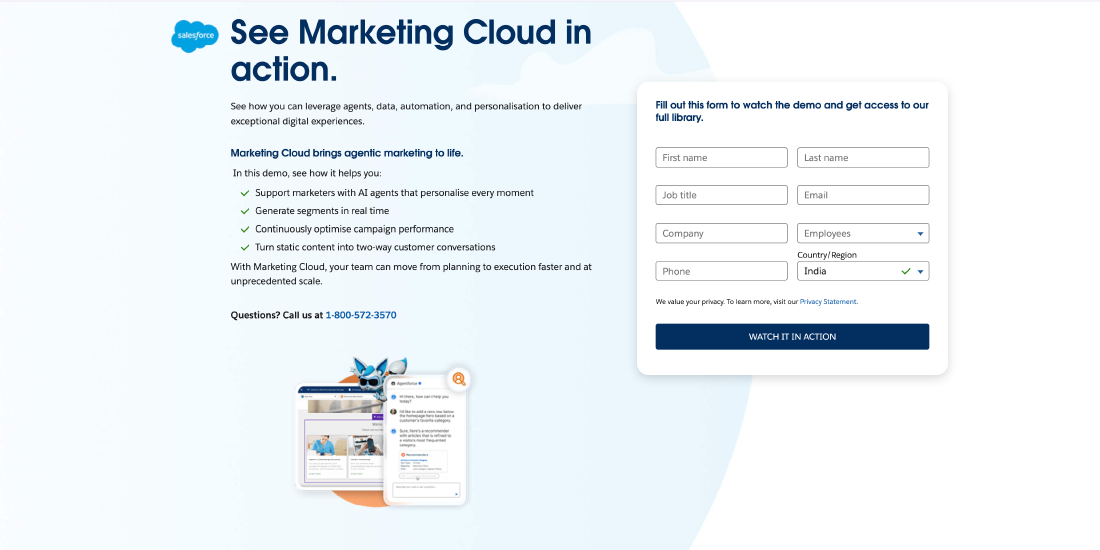
Salesforce Marketing Cloud is a comprehensive AI-powered marketing platform designed for enterprise-level lead generation and nurturing. It supports Account-Based Marketing (ABM) and Opportunity-Based Marketing strategies while integrating deeply with Salesforce CRM.
Key Features:
- AI-driven lead and account scoring
- Multi-channel automation (email, SMS, social ads)
- Personalization at scale using AI
- Lead management and segmentation
- CRM integration with Salesforce Sales Cloud
Pros:
- Powerful AI-driven insights
- Supports multi-channel campaigns
- Seamless integration with Salesforce ecosystem
Cons:
- Can be complex to set up for small teams
- Higher pricing compared to simpler solutions
Leadfeeder
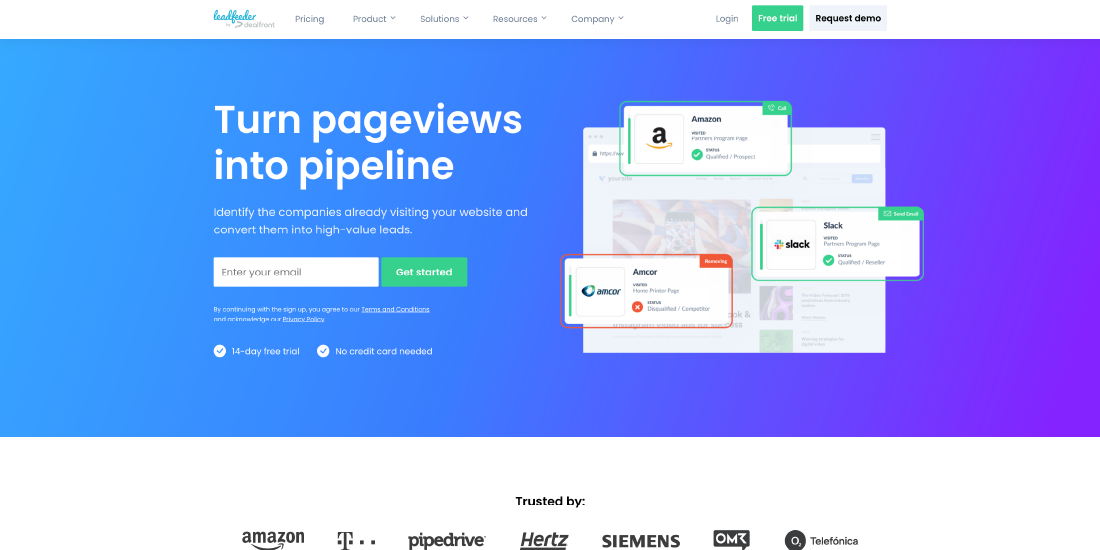
Leadfeeder is a website visitor tracking tool that identifies anonymous visitors and converts them into actionable B2B leads. It integrates with CRMs to provide real-time insights on companies interacting with your website.
Key Features:
- Tracks website visitors, even without form submissions
- Company-level insights (size, industry, key contacts)
- Lead scoring and filtering
- CRM integrations (Salesforce, HubSpot, Pipedrive)
- Automated lead alerts
Pros:
- Reveals hidden website traffic
- Prioritizes high-value prospects
- Simple CRM integration
Cons:
- Focused on B2B; limited use for B2C
- Pricing can be high for smaller businesses
UpLead
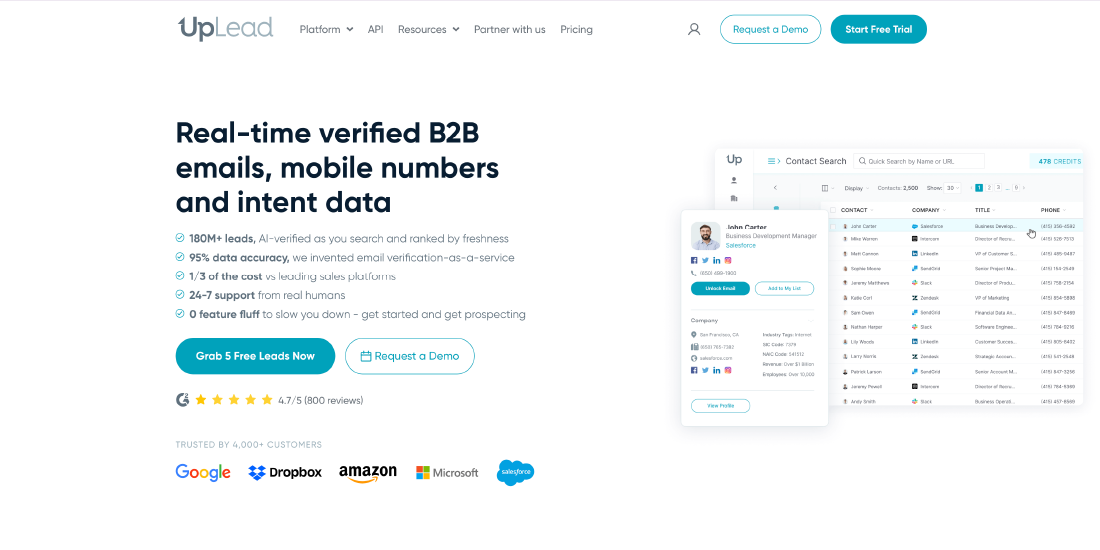
UpLead is a B2B prospecting and data enrichment platform that ensures accurate contact information for outreach campaigns, reducing wasted efforts on outdated data.
Key Features:
- Verified email addresses, phone numbers, LinkedIn profiles
- Advanced search filters by company size, revenue, industry, location, and job title
- Data enrichment with firmographic and technographic details
- CRM integrations (Salesforce, HubSpot, Pipedrive)
- Real-time email verification
Pros:
- High accuracy of contact data
- Reduces bounced emails and wasted effort
- Easy integration with major CRMs
Cons:
- B2B-focused, less suitable for B2C leads
- Limited features for advanced marketing automation
Intercom
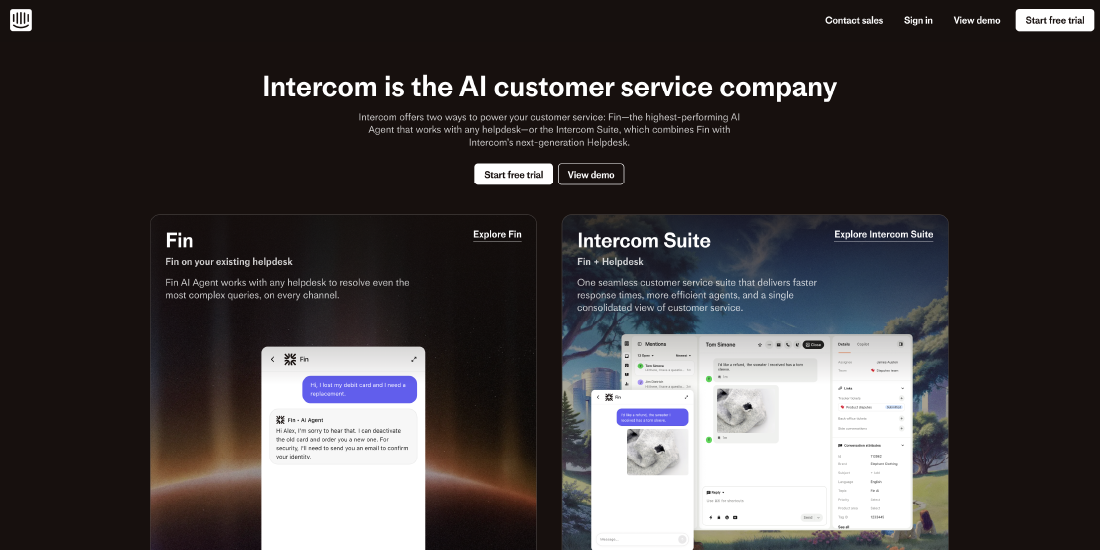
Intercom is a conversational marketing and chatbot platform that engages leads in real time through AI chatbots and live chat. It is ideal for capturing inbound leads efficiently.
Key Features:
- AI-powered chatbots for automated lead qualification
- Real-time live chat support
- Behavior-based messaging
- Automated lead routing to sales reps
Pros:
- Excellent for real-time lead capture
- AI automates qualification and engagement
- Supports personalized messaging
Cons:
- Can be expensive for small businesses
- Limited for outbound prospecting
Hunter
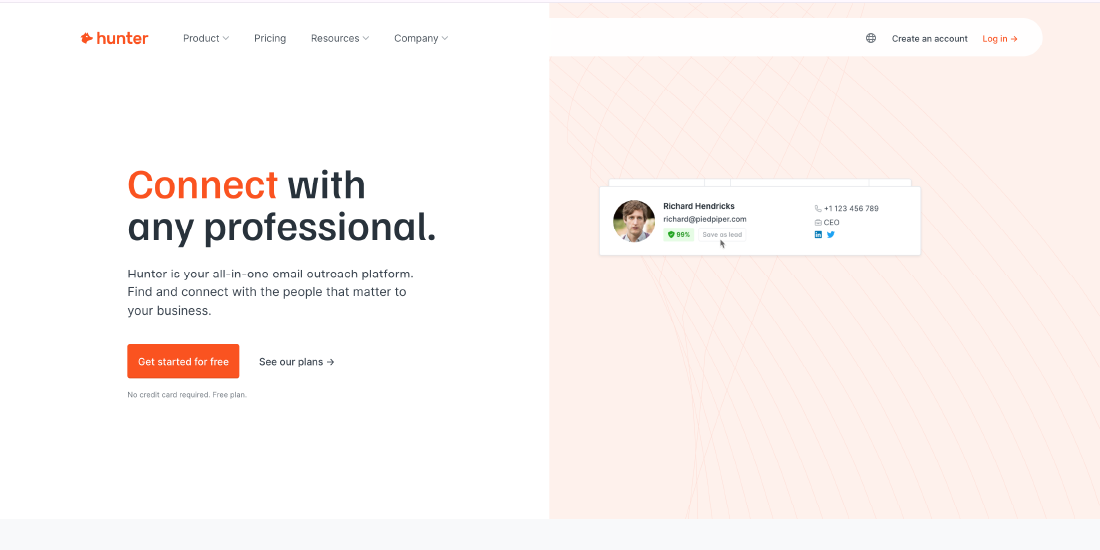
Hunter is an email discovery and verification tool that helps sales and marketing teams find verified email addresses for cold outreach campaigns.
Key Features:
- Email finder and domain search
- Bulk email verification
- Chrome extension for quick email extraction
- API access for automation
Pros:
- High email accuracy improves deliverability
- Easy to use with browser extension
- Integrates with CRM and marketing tools
Cons:
- Primarily for email outreach
- Limited lead engagement or automation features
Demio
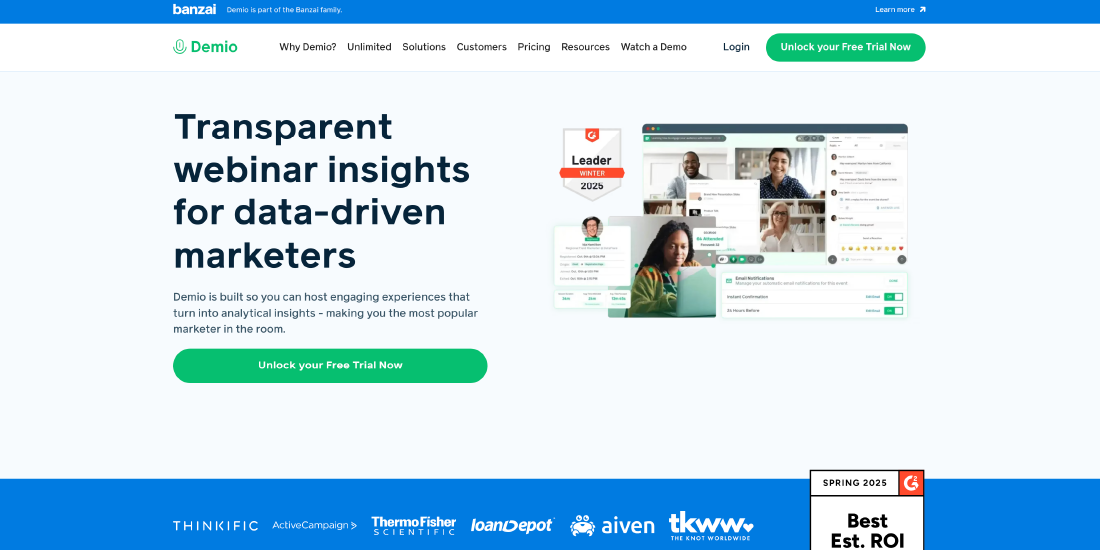
Demio is a webinar-based lead generation platform that enables live and automated sessions to engage audiences. It collects lead data, tracks engagement, and integrates with CRMs, making webinars a powerful tool for education and lead nurturing.
Key Features:
- Live and automated webinars
- Interactive tools (polls, Q&A, CTAs)
- Custom registration pages
- CRM and marketing tool integration
- Event analytics
Pros:
- Engaging interactive webinars
- Collects valuable lead data
- Integrates with CRM and marketing platforms
Cons:
- Focused primarily on webinar campaigns
- Limited other lead generation channels
Overloop
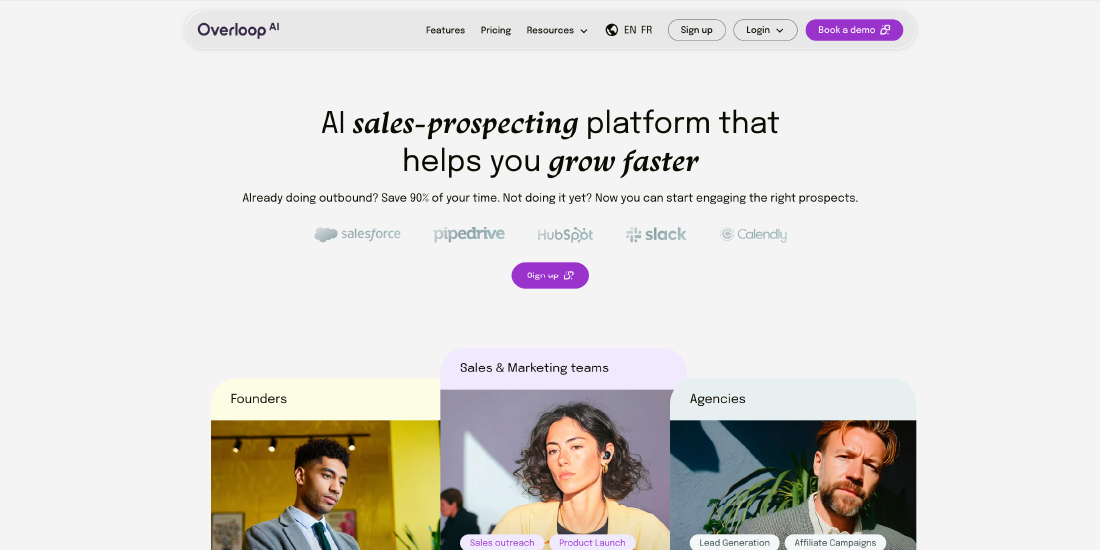
Overloop is a sales engagement automation tool designed for multi-channel outbound prospecting. It enables personalized email sequences, workflow management, and LinkedIn automation, helping sales teams reach prospects efficiently.
Key Features:
- Multi-channel outreach (email, LinkedIn, phone)
- Automated email sequences
- Lead tracking and CRM sync
- LinkedIn automation
- Collaboration tools
Pros:
- Streamlines outbound prospecting
- Supports personalized engagement
- CRM integration for better data tracking
Cons:
- Primarily focused on outbound sales
- Learning curve for LinkedIn automation
D&B Hoovers
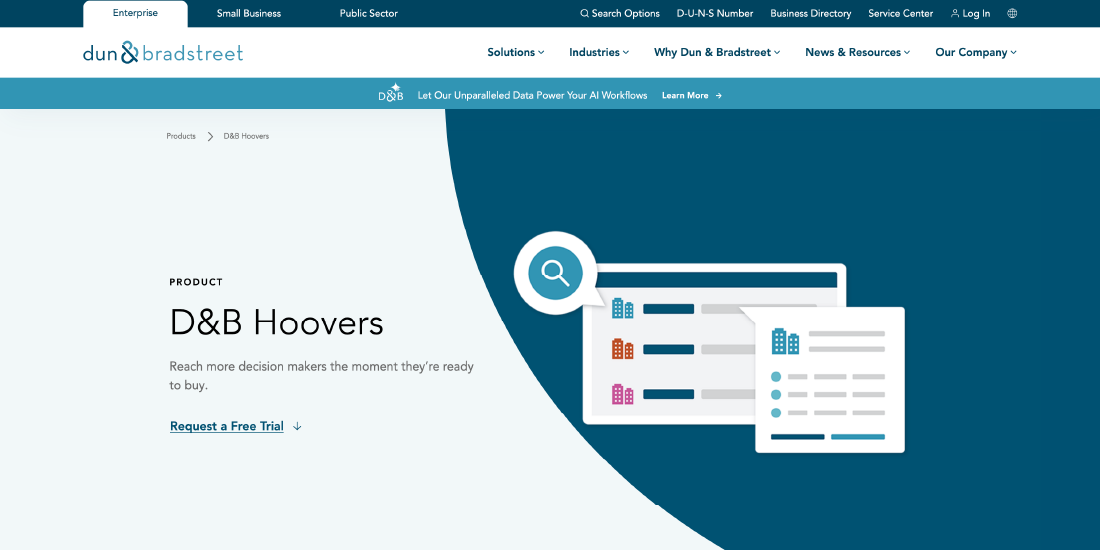
D&B Hoovers is a B2B company and contact database providing deep firmographic and intent-based insights. It supports enterprise lead generation, account-based marketing, and highly targeted prospecting with data-rich profiles.
Key Features:
- Extensive B2B company database
- Firmographic and technographic insights
- Buyer intent signals
- Custom lead list creation
Pros:
- Powerful data for enterprise prospecting
- Supports ABM strategies
- Highly accurate company and contact insights
Cons:
- Expensive for small businesses
- Primarily B2B-focused
Agile CRM
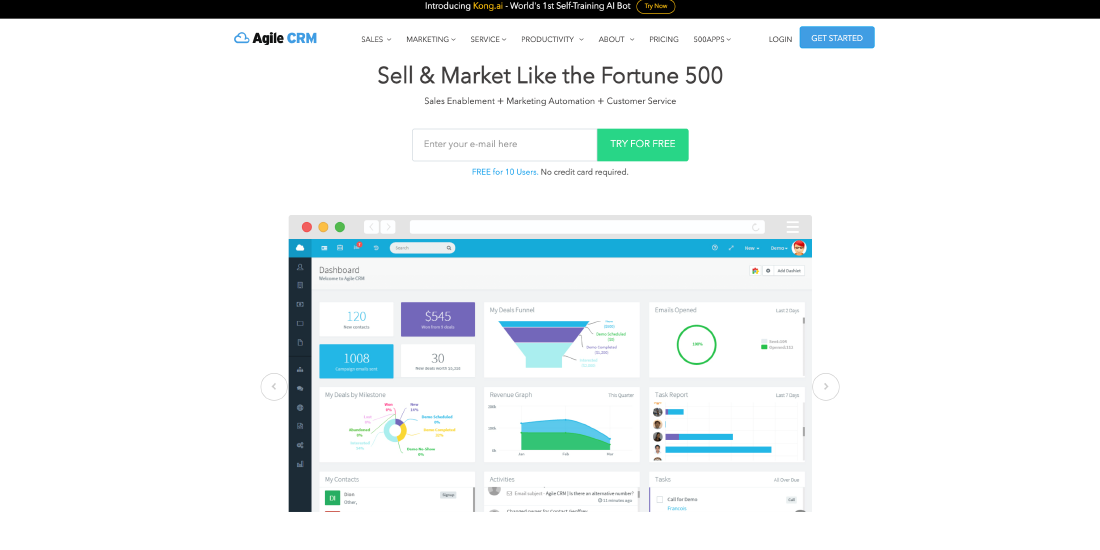
Agile CRM is an all-in-one platform combining lead management, marketing automation, and CRM features. It supports capturing, nurturing, and converting leads through multi-channel campaigns, social tracking, and sales pipeline visualization.
Key Features:
- Lead scoring and qualification
- Marketing automation (emails, drip campaigns)
- Web forms and landing pages
- Social media monitoring
- Sales pipeline management
Pros:
- Affordable all-in-one CRM
- Easy lead capture and nurturing
- Visual sales pipeline
Cons:
- Limited advanced analytics
- May not scale well for large enterprises
CallPage
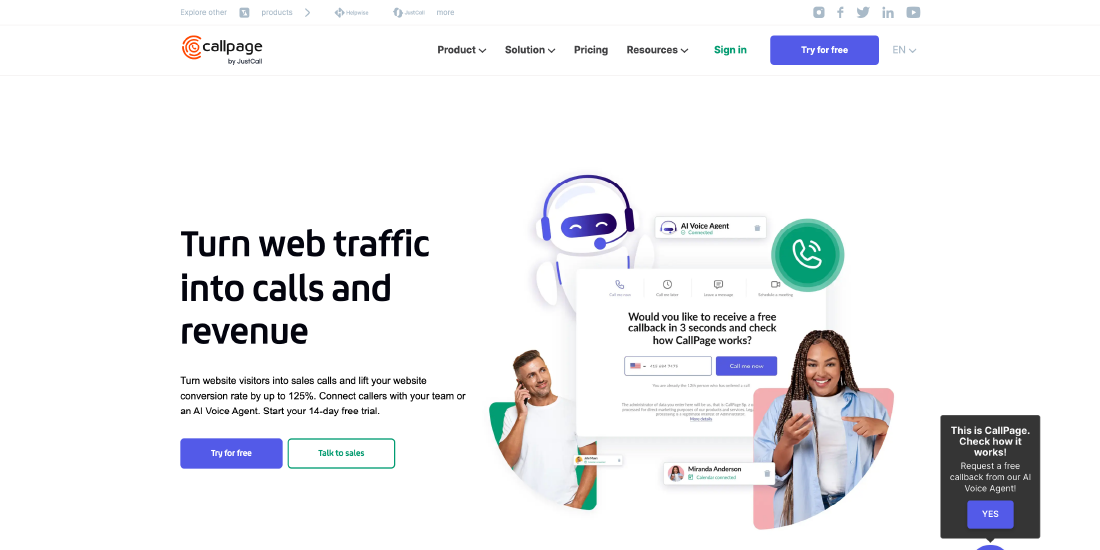
CallPage is a call-based lead capture tool that connects businesses with website visitors instantly through automated callbacks. It increases engagement and conversions by reducing response time and ensuring timely follow-ups.
Key Features:
- Instant callback widget
- Automated lead qualification
- Real-time analytics
- Call recording and transcription
Pros:
- Improves phone-based lead conversions
- Reduces lead response time
- Simple integration and setup
Cons:
- Focused on phone engagement
- Less useful for digital-first lead campaigns
AeroLeads
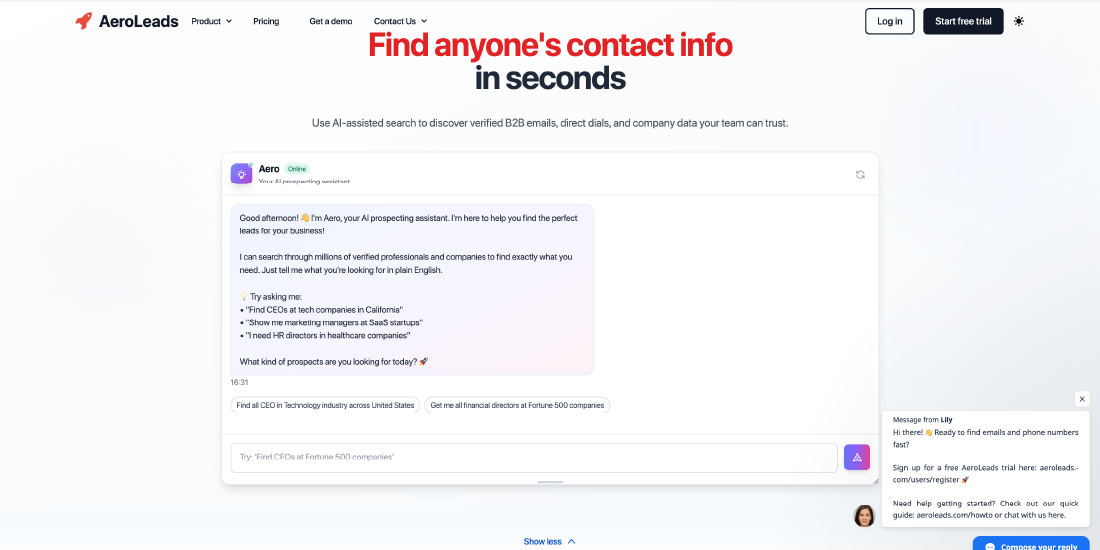
AeroLeads is a B2B lead prospecting tool that extracts verified emails and phone numbers from LinkedIn, Crunchbase, and other platforms. It helps sales and recruitment teams build accurate lead lists quickly for outbound campaigns.
Key Features:
- Finds verified emails and phone numbers
- Bulk prospecting for multiple leads
- Email verification to ensure accuracy
- Chrome extension for real-time extraction
- CRM sync
Pros:
- Quickly builds verified lead lists
- Easy CRM integration
- Supports bulk prospecting
Cons:
- Primarily B2B-focused
- Limited marketing automation features
LeadFuze
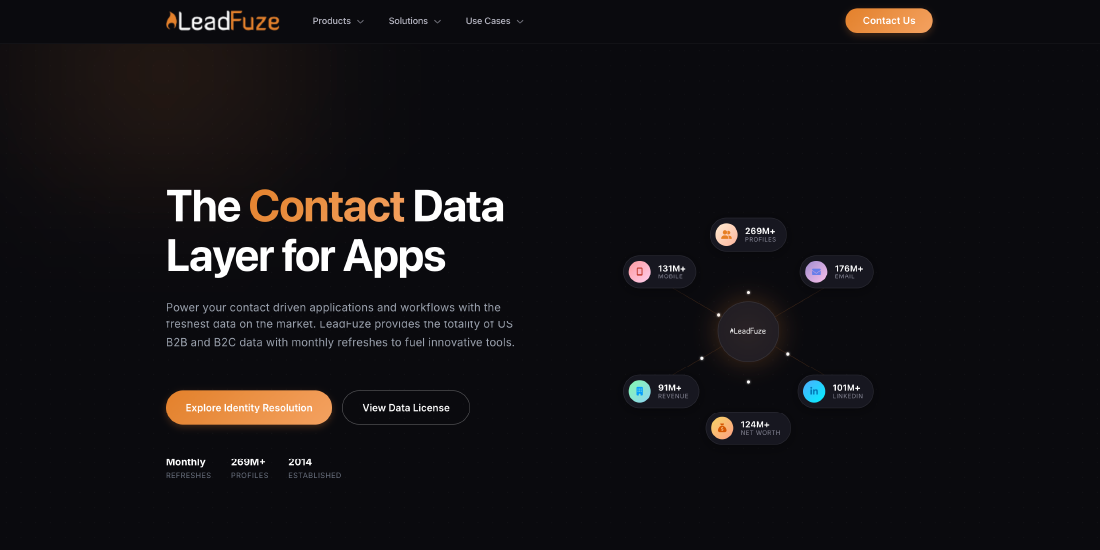
LeadFuze is an AI-powered lead sourcing platform that automatically delivers pre-qualified leads based on specific targeting criteria. It streamlines account-based marketing and ensures data accuracy for outbound campaigns.
Key Features:
- Automated lead sourcing via AI
- Account-based marketing targeting
- Data validation and enrichment
- Pre-qualified prospect lists
Pros:
- Automates B2B lead prospecting
- High-quality, validated leads
- Supports targeted ABM campaigns
Cons:
- Limited features for inbound lead capture
- Can be pricey for small teams
LeadsBridge
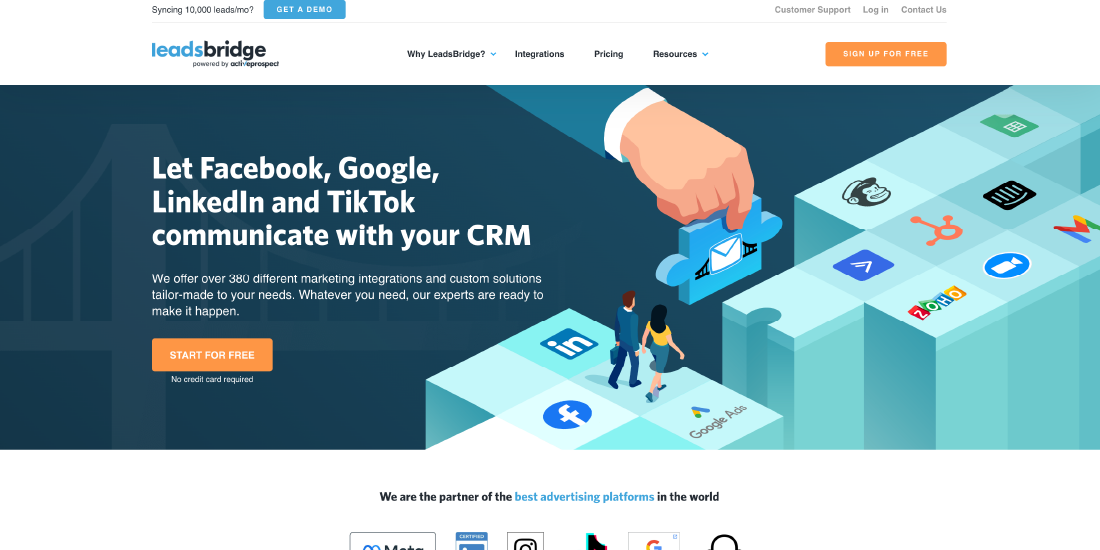
LeadsBridge is a lead data integration platform that connects advertising, marketing, and CRM tools. It ensures seamless real-time lead syncing, audience segmentation, and campaign attribution for better sales follow-up.
Key Features:
- Real-time lead syncing from multiple ad platforms
- Audience segmentation for retargeting
- Lead tracking and attribution analytics
- CRM and marketing integrations
Pros:
- Eliminates manual lead entry
- Improves conversion tracking across platforms
- Supports paid ad campaigns
Cons:
- Focused on paid campaign integration
- Setup may require technical knowledge
SalesWings
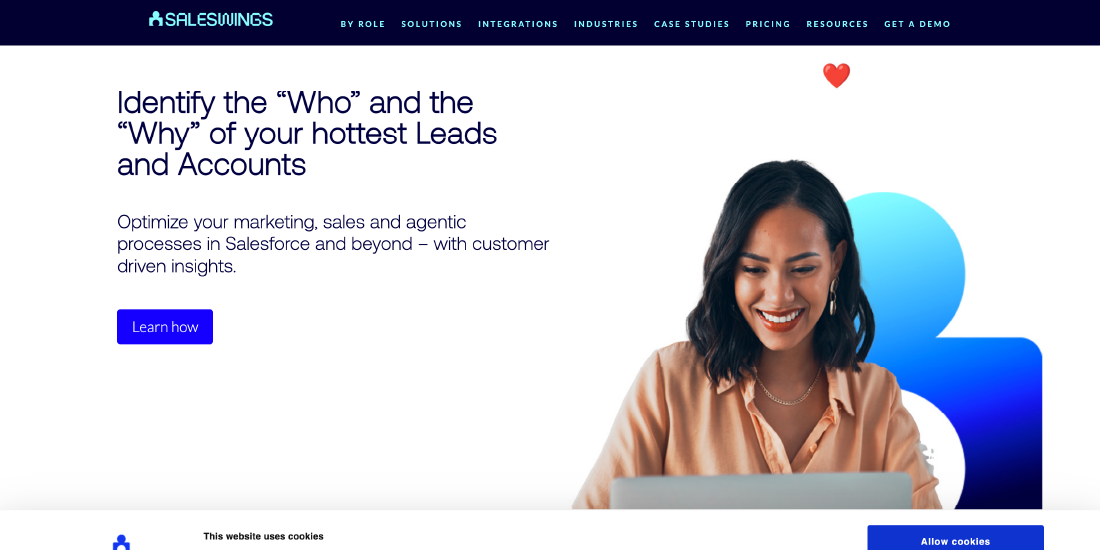
SalesWings is a sales and marketing alignment tool that uses AI to score leads and accounts based on intent and behavior. It helps Salesforce teams prioritize high-value prospects and take timely actions for conversions.
Key Features:
- First-party intent and behavior tracking
- AI/predictive lead and account scoring
- Lead and account grading by firmographics
- Salesforce native integrations
- Real-time sales alerts
Pros:
- Prioritizes high-intent leads
- Improves speed-to-lead and cross-selling
- Deep Salesforce integration
Cons:
- Limited outside Salesforce ecosystem
- Can be complex for smaller teams
OptinMonster
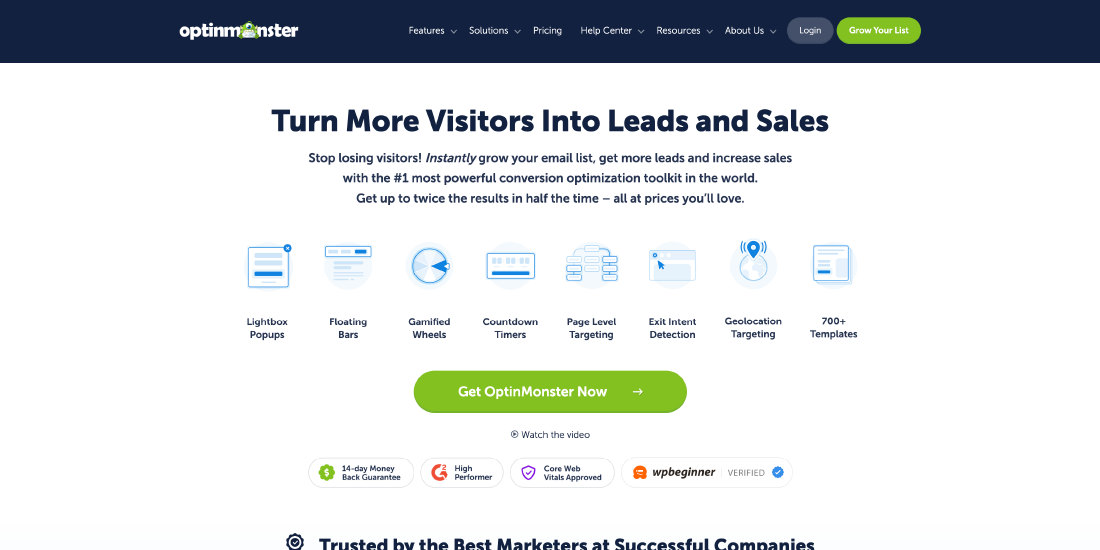
OptinMonster is a website conversion optimization tool that captures high-intent leads via popups, forms, and targeted messaging. It increases conversions by triggering forms based on visitor behavior before they leave the site.
Key Features:
- Exit-intent technology
- Drag-and-drop campaign builder
- Behavior-based targeting
- A/B testing of popups and forms
- Integrations with email marketing tools
Pros:
- High website lead capture rates
- Easy to design personalized campaigns
- Works with multiple platforms
Cons:
- Limited CRM functionalities
- Focused primarily on website traffic
Dealfront
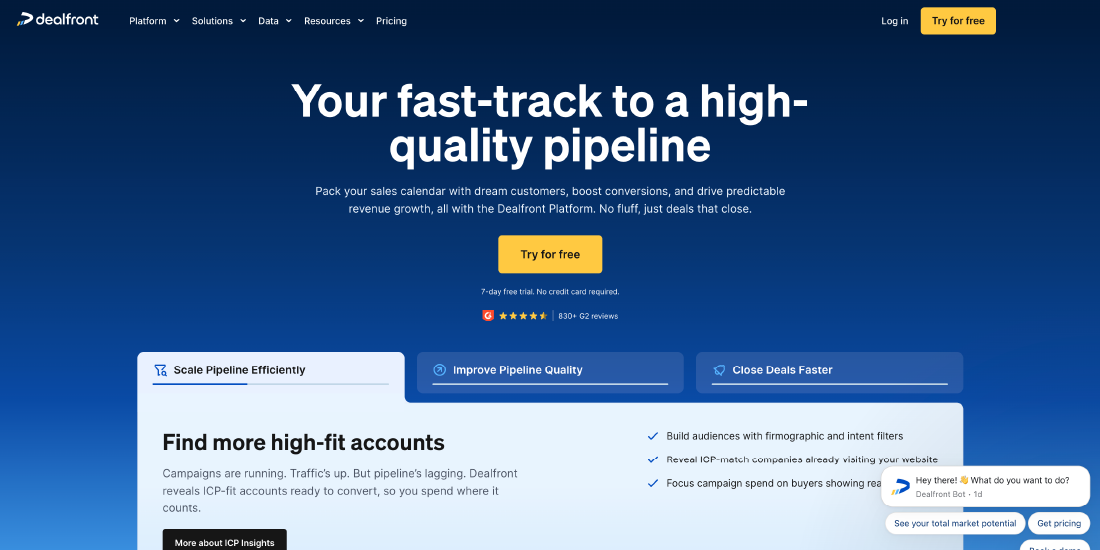
Dealfront is a B2B lead intelligence platform that identifies prospects using intent data and company insights. It combines multiple sources to provide actionable information for targeted outreach.
Key Features:
- Website visitor tracking
- Intent data analysis
- Lead enrichment with firmographics
- Geo-targeted prospect discovery
Pros:
- High-quality, intent-based leads
- Detailed company insights
- Supports targeted B2B outreach
Cons:
- B2B-only platform
- Limited multi-channel engagement
Sumo
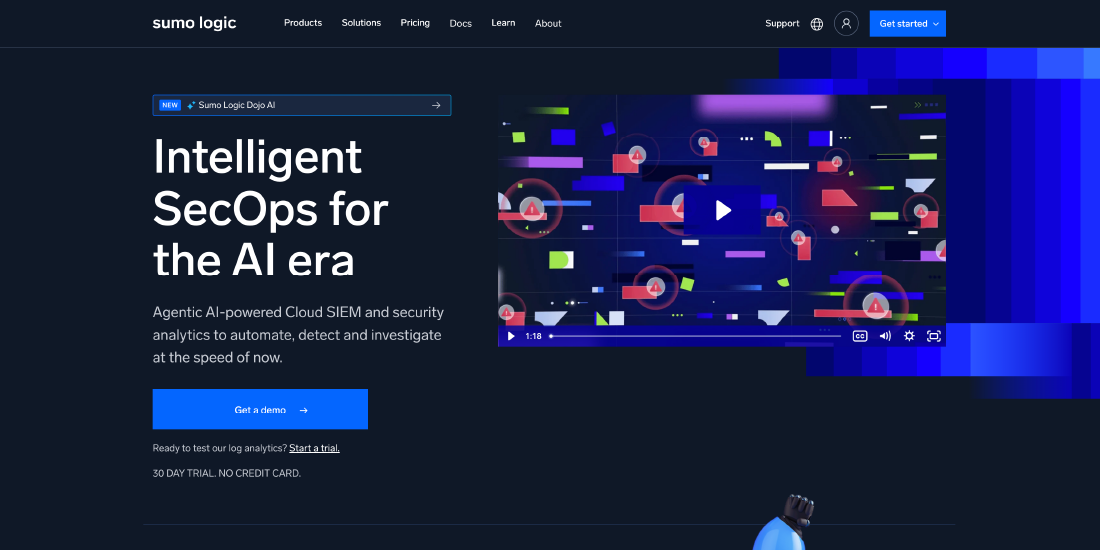
Sumo is a list-building and lead capture tool that helps businesses grow email lists and increase website engagement. It provides popups, scroll boxes, and automated follow-ups to convert visitors into leads.
Key Features:
- Smart popups and opt-in forms
- Exit-intent detection
- E-commerce platform integration
- Social sharing and content amplification
- Automated email follow-ups
Pros:
- Easy to capture leads from website visitors
- Integrates with e-commerce platforms
- Simple to use
Cons:
- Limited advanced analytics
- Focused mainly on inbound lead capture
Extole
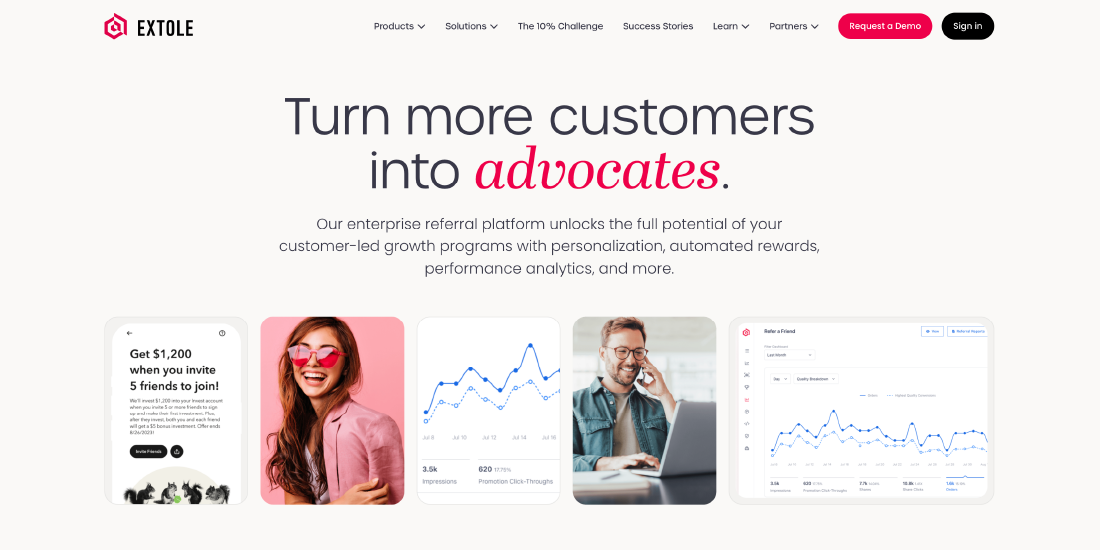
Extole is a referral marketing platform that turns existing customers into lead-generating advocates. It automates referral campaigns, offering rewards while tracking performance to boost organic lead generation.
Key Features:
- Customizable referral programs
- Automated reward distribution
- Audience segmentation for targeted campaigns
- Fraud prevention tools
Pros:
- Drives high-quality organic leads
- Easy to manage referral campaigns
- Supports multiple reward structures
Cons:
- Limited direct outreach capabilities
- Requires a loyal customer base for maximum impact
RollWorks
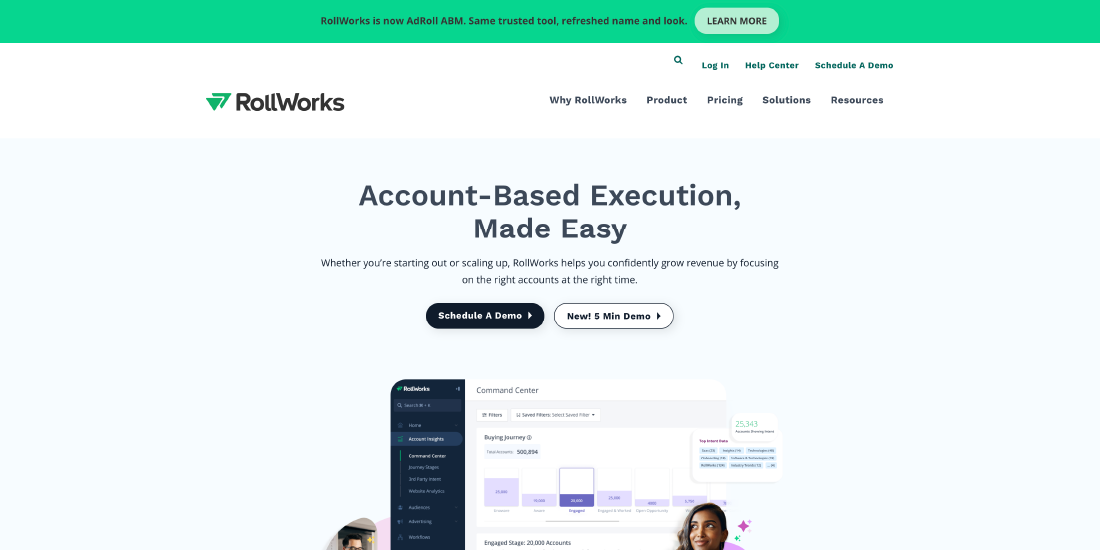
RollWorks is an account-based marketing (ABM) platform that helps identify and engage high-value accounts across multiple channels. It tracks conversions and optimizes campaigns for B2B sales success.
Key Features:
- Account targeting and segmentation
- Multi-channel engagement
- Intent data tracking
- Automated lead scoring
Pros:
- Strong ABM capabilities
- Multi-channel nurturing of high-value leads
- Detailed account insights
Cons:
- Expensive for smaller businesses
- Complex setup for beginners
Pipedrive
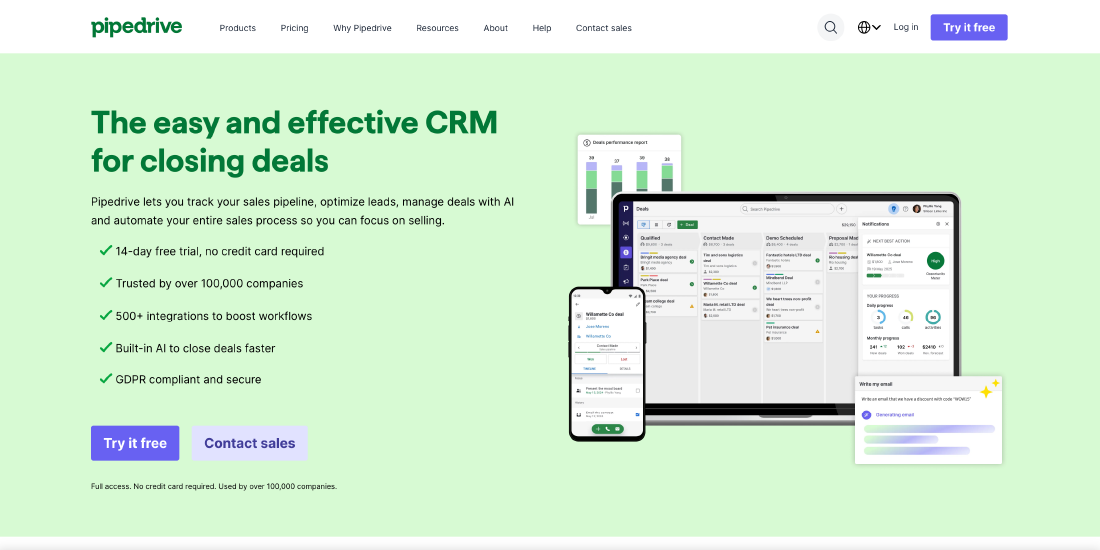
Pipedrive is a CRM and sales pipeline management tool with a visual interface that organizes leads and automates follow-ups. It helps teams prioritize prospects and accelerate deal closure.
Key Features:
- Visual drag-and-drop sales pipeline
- Automated lead tracking
- Lead scoring and segmentation
- Multi-channel outreach (email, phone, chat)
- Custom reporting dashboards
Pros:
- Intuitive pipeline management
- Easy to use with automation
- Supports multi-channel outreach
Cons:
- Limited advanced marketing analytics
- Less suitable for enterprise-scale operations
Zendesk Sell
Zendesk Sell is a CRM and sales engagement tool that automates lead management and outreach. It is designed to help sales teams streamline communication and improve customer relationships efficiently.
Key Features:
- Lead and deal tracking
- Integrated calling and texting
- Automated task management
- Email and activity logging
Pros:
- Simplifies sales engagement
- Built-in communication tools
- Automates repetitive tasks
Cons:
- Limited marketing automation
- Primarily sales-focused
HubSpot Marketing Hub
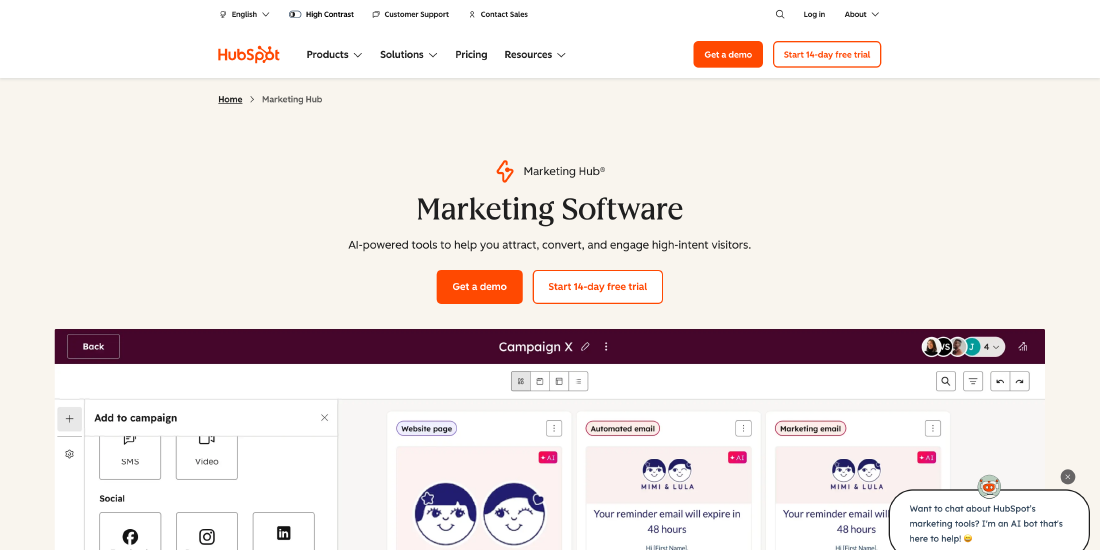
HubSpot Marketing Hub is an inbound marketing and automation platform for attracting, nurturing, and converting leads. It integrates email campaigns, content marketing, and analytics to drive lead generation at scale.
Key Features:
- Lead capture forms and landing pages
- Marketing automation for email campaigns
- SEO and content optimization
- Lead scoring and segmentation
Pros:
- Excellent inbound marketing capabilities
- Easy-to-use automation workflows
- Integrated analytics for ROI tracking
Cons:
- Can be expensive for full-featured plans
- Steeper learning curve for beginners
Mailchimp
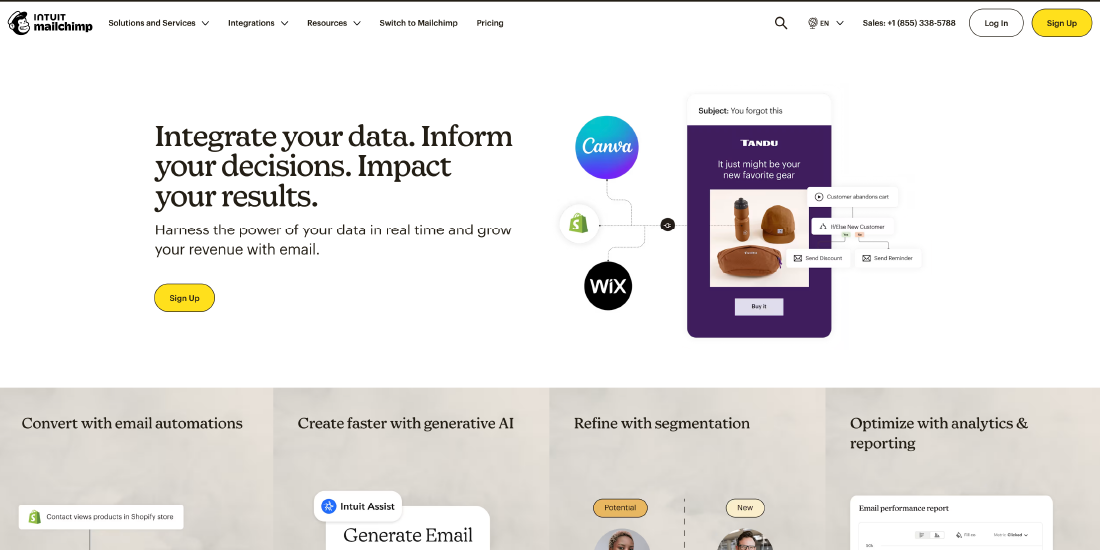
Mailchimp is a marketing automation and email platform for capturing and nurturing leads. It supports audience segmentation, automated campaigns, and e-commerce integration to boost engagement.
Key Features:
- Automated email campaigns
- Landing pages and web forms
- Audience segmentation
- A/B testing of emails
- E-commerce integrations
Pros:
- Popular and easy to use
- Automates lead nurturing
- Integrates with multiple platforms
Cons:
- Limited advanced CRM features
- Focused primarily on email marketing
Essential Features to Consider in Lead Generation Software
Selecting the right lead generation tool requires understanding which features best align with your business goals. Top-performing software not only automates routine tasks but also enriches data and integrates seamlessly with your existing systems to streamline the sales process.
Key features to look for include:
- Prospecting and Data Enrichment: Discover new leads while gathering additional insights such as company details, verified contact information, and job roles to build a more complete prospect profile.
- Automated Email Sequences: Automated email sequences help send personalized follow-up emails based on student actions or set timelines using ready-made templates. Email is still one of the most preferred ways students like to receive information early in their college search. In 2025, 68% of students preferred email at the start of their decision journey, showing that it remains an effective channel for nurturing and engaging leads.
- Lead Scoring and Qualification: Evaluate and rank leads based on demographic fit and buying intent, helping your sales team prioritize high-value prospects.
- Pipeline and Lead Management: Monitor prospects at every stage of the sales funnel, automate lead assignments, and ensure timely follow-ups for improved pipeline visibility.
- Multi-Channel Outreach: Connect with leads through email, phone, chatbots, social media, and landing pages for a unified engagement approach. AI-powered chatbots are improving education marketing outcomes by boosting lead conversion rates by up to 25%.
- CRM and Marketing Integrations: Ensure seamless data flow between sales and marketing platforms to avoid disconnected workflows and maintain accurate records.
- AI-Powered Insights: Use predictive analytics and smart recommendations to improve messaging, timing, and follow-up strategies, leading to higher engagement and conversions. A 2025 higher education industry report found that 65% of institutions now use AI-driven marketing and enrollment tools, with nearly 69% reporting better workflow efficiency as a direct result.
Conclusion
By leveraging platforms that automate follow-ups, personalize communication, and score leads based on engagement, institutions can focus on high-potential prospects. Implementing the right tools ensures better enrollment outcomes, higher conversion rates, and stronger long-term engagement with students.
Frequently Asked Questions
Question 1. Why is personalization important for student recruitment?
Question 2. What is the difference between an AI communication platform and a CRM?
Question 3. How can AI-powered tools help with international student recruitment?
Question 4. What is the best way to start using technology for recruitment on a small budget?
Question 5. Student Lead Generation – Can you recommend tools for generating student leads?
Written By







No comments yet. Be the first to comment!
Leave a Comment